
ByAnish
Offshore Data Centers Could Power AI Future
Offshore Data Centers Could Power AI Future
By TechBoltX Team | March 4, 2026
AI is creating a massive demand for data centers.
So massive that some people have suggested launching servers into space just to access solar power around the clock.
But one startup believes there’s a better place.
The ocean.
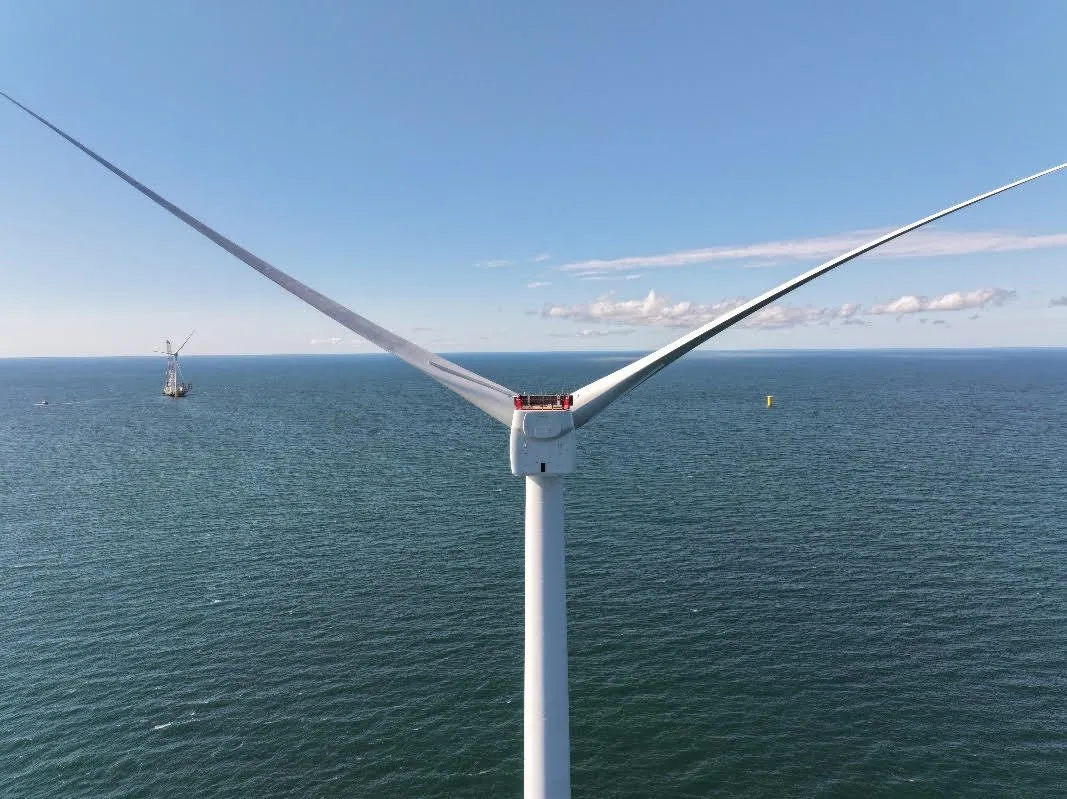
A company called Aikido wants to build floating offshore data centers powered directly by wind turbines.
If it works, it could reshape how the world powers AI infrastructure.
Why AI Needs So Much Power
Modern AI systems require enormous computing resources.
Training and running models means thousands of GPUs running 24 hours a day. That creates two big problems:
- Massive electricity demand
- Huge cooling requirements
Many regions are already facing power shortages for AI data centers.
That’s why some tech leaders have floated ideas like orbital solar-powered server farms.
But building data centers in space is extremely expensive.
Floating them in the ocean may be simpler.
Aikido’s Offshore Data Center Plan
Aikido plans to launch a 100-kilowatt demonstration data center off the coast of Norway later this year.
The servers will sit inside submerged pods attached to a floating offshore wind turbine.
That turbine will supply electricity directly to the data center.
If the test works, the company hopes to launch a much larger system by 2028 near the United Kingdom.
The future version could include:
- A 15–18 megawatt wind turbine
- A 10–12 megawatt data center
That would make it a fully self-powered offshore AI facility.
Why the Ocean Makes Sense
Building data centers offshore could solve several problems at once.
1. Direct Access to Renewable Power
Wind turbines generate electricity right where the data center sits.
Offshore winds are stronger and more consistent than winds on land.
That means reliable energy.
2. Natural Cooling
Cooling servers is one of the most expensive parts of running a data center.
Ocean water provides natural cooling.
Cold seawater could reduce the need for complex cooling systems.
3. Avoiding Local Opposition
Data centers often face NIMBY resistance (“not in my backyard”).
Communities worry about:
- Noise
- Power consumption
- Environmental impact
Offshore facilities eliminate most of those concerns.
The Idea Isn’t Completely New
Microsoft experimented with underwater data centers years ago.
In 2018, the company launched a sealed server container off the coast of Scotland.
The project ran for 25 months.
Results were surprisingly strong:
- Only 6 of 850 servers failed
- The container used nitrogen gas instead of oxygen to reduce corrosion
Despite the success, Microsoft shut down the project in 2024.
However, the company later open-sourced its patents, making it easier for others to experiment with the concept.
Challenges of Ocean Data Centers
While offshore servers sound promising, they also face real risks.
Harsh Ocean Environment
Seawater is highly corrosive. Equipment must be hardened to survive long exposure.
Movement and Stability
Even submerged structures move slightly with ocean currents.
Servers must be secured tightly to prevent damage.
Maintenance Difficulty
Repairing a server underwater is harder than in a traditional building.
Technicians may need special equipment to access submerged units.
Could Offshore Data Centers Power AI?
The idea of ocean-based data centers is gaining attention as AI demand grows.
Companies are searching for solutions that combine:
- Renewable energy
- Cooling efficiency
- Scalable infrastructure
Floating data centers powered by offshore wind could meet all three needs.
If Aikido’s test project works, we could see entire networks of offshore AI facilities within the next decade.
Final Thoughts
The AI boom is pushing technology infrastructure into new territory.
Some companies are looking to space.
Others are looking underwater.
Offshore data centers powered by wind turbines might sound futuristic today. But with AI consuming more energy every year, ideas like this could soon become part of the global tech landscape.
Stay with TechBoltX for more updates on AI infrastructure, renewable energy technology, and the future of data centers.
About the Author
Anish is the founder of TechBoltX, sharing mobile gaming rewards, guides, and daily updates.