

ByAnish
NYT Connections Sept 30 Hints & Answers #842 (Full Guide)
Today’s Connections #842: Tuesday’s Playful Wordplay Mix
Every Tuesday, the New York Times Connections puzzle feels like a grab bag of culture, language, and hidden patterns. For puzzle #842 on September 30, 2025, the creators leaned heavily into wordplay and wit.
Today’s mix gives us everything from behavioral descriptions to cartoon classics. It even tips its hat to the classic woodchuck tongue twister and finishes with some sneaky number homophones.
And yes—this puzzle comes with personality. Think of Chuck Wood, the woodchuck’s folkloric cousin, paired with a Woody Guthrie name-split quirk that makes us see language in new ways. Let’s dive into the categories, hints, and full solution.
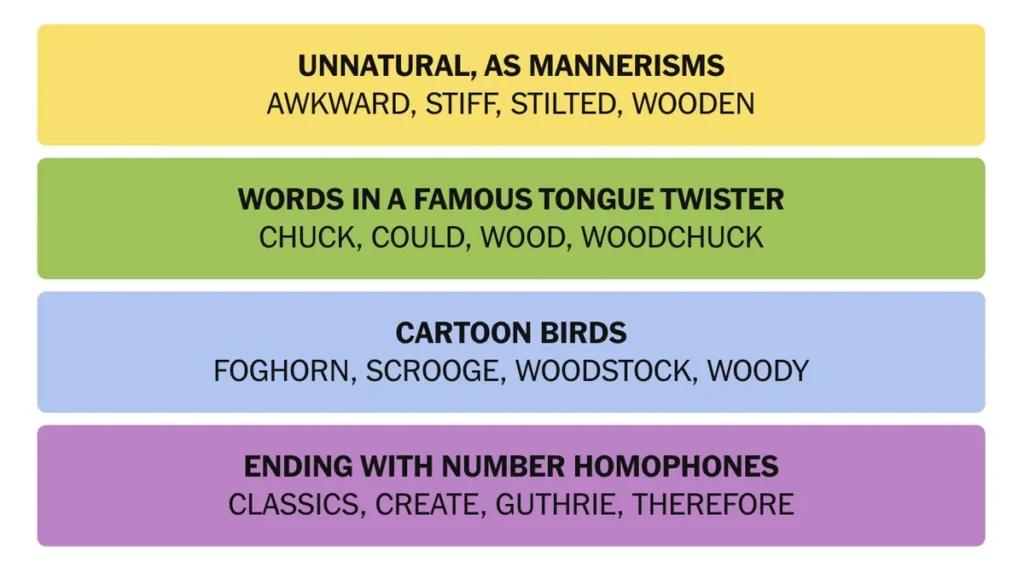
Yellow Group: Unnatural Mannerisms (Behavioral Terms)
Words: Awkward, Stiff, Stilted, Wooden
This set spotlights how people sometimes act when nervous or artificial. These “unnatural mannerisms” describe body language that feels rigid or forced. If you’ve ever sat through an awkward presentation or seen an actor give a wooden performance, you’ve felt the meaning here.
Keyword focus: unnatural mannerisms, awkward stiff stilted wooden.
Green Group: Famous Tongue Twister Words
Words: Chuck, Could, Would, Woodchuck
This one instantly calls to mind the classic tongue twister:
“How much wood would a woodchuck chuck if a woodchuck could chuck wood?”
The joy here is both phonetic and rhythmic. These words, tied together by repetition and sound, celebrate the playful side of English.
Keyword focus: woodchuck tongue twister, chuck could would woodchuck.
Blue Group: Cartoon Birds (Animated Characters)
Words: Foghorn, Scrooge, Woodstock, Woody
Here’s where pop culture takes flight. Each is a famous cartoon bird:
- Foghorn Leghorn – the booming rooster from Looney Tunes.
- Scrooge McDuck – Disney’s wealthy duck, always diving into coins.
- Woodstock – Snoopy’s tiny yellow sidekick from Peanuts.
- Woody Woodpecker – the mischievous pecker with a signature laugh.
Together, they form a colorful flock across animation history.
Purple Group: Number Homophones Wordplay
Words: Classics, Create, Guthrie, Therefore
Here’s the tricky one. Each word ends with a syllable that sounds like a number:
- ClassiCS → Six
- CreatE → Eight
- GuthriE → Three
- ThereforE → Four
This clever linguistic twist requires a trained ear. It’s one of those categories where phonetics matters as much as meaning.
Progressive Hints and Category Strategy
For those who struggled:
- Start by spotting behavioral adjectives like awkward and wooden.
- Next, notice the tongue twister words that cluster around “woodchuck.”
- Cartoon fans likely grouped the birds quickly.
- Finally, the number endings took some trial and error—phonetic puzzles usually come last.
Tuesday Wordplay and Linguistic Strategies
Tuesdays often blend cultural references with sound-based trickery. Today’s lesson:
- Watch for sets tied by rhythm or phonetics.
- Don’t forget cartoons or pop culture; they often sneak into Connections.
- Break down endings—homophones hide there.
This puzzle proved that solving Connections isn’t just vocabulary—it’s pattern spotting across language, behavior, and culture.
Frequently Asked Questions
Q: What are the categories for NYT Connections #842, September 30?
A: Yellow: Unnatural mannerisms (awkward, stiff, stilted, wooden). Green: Tongue twister words (chuck, could, would, woodchuck). Blue: Cartoon birds (Foghorn, Scrooge, Woodstock, Woody). Purple: Ending with number homophones (classics, create, Guthrie, therefore).
Q: What famous tongue twister is referenced in the green group?
A: “How much wood would a woodchuck chuck if a woodchuck could chuck wood?”
Q: How do the purple group words end with number sounds?
A: Classics → six, create → eight, Guthrie → three, therefore → four.
Q: Which cartoon birds appear in today’s puzzle?
A: Foghorn Leghorn, Scrooge McDuck, Woodstock, and Woody Woodpecker.
Q: Why is Scrooge considered a cartoon bird?
A: He’s a duck—a Disney classic—so he counts as part of the cartoon bird group.
After solving today’s main puzzle, you might be looking for more fun challenges to keep the momentum going. Fortunately, there are several trending games you can dive into right now. For example, sports fans can test their knowledge with the exciting Connections Sports Edition hints & answers. Moreover, if you want a daily dose of logic and pattern recognition, the NYT Connections hints & answers are perfect for sharpening your mind. Similarly, word lovers will enjoy the clever challenges in the NYT Strands hints & answers, which are packed with smart wordplay. In addition, if you’re short on time but still want a satisfying challenge, the Wordle hints & answer deliver quick fun every day. As a result, exploring these puzzles keeps you entertained while also building stronger problem-solving skills daily.
Conclusion: From Tongue Twisters to Cartoon Flocks
Connections #842 was a playful mix of stiff mannerisms, twisters, cartoon feathers, and number tricks. The puzzle highlighted how creative the categories can get, weaving together body language, folklore, and pop culture.
As we roll into October, expect even more wordplay surprises. If today proved anything, it’s that Connections isn’t just a puzzle—it’s a lesson in how words carry rhythm, culture, and fun.
About the Author
Anish is the founder of TechBoltX, sharing mobile gaming rewards, guides, and daily updates.