
ByAnish
Iran US Airstrikes Hackers Trigger Internet Outages
Iran US Airstrikes Hackers Cause Internet Blackout
By TechBoltX Team | Updated March 2, 2026
Tehran did not just wake up to explosions.
Phones started buzzing. Internet lines went silent. Apps were hacked. Cloud systems went down.
The Iran US airstrikes hackers internet outages crisis is now one of the biggest hybrid warfare events we have seen in years.
Let’s break down what happened and why this matters far beyond Iran.
Airstrikes Hit Tehran and Kill Iran’s Supreme Leader
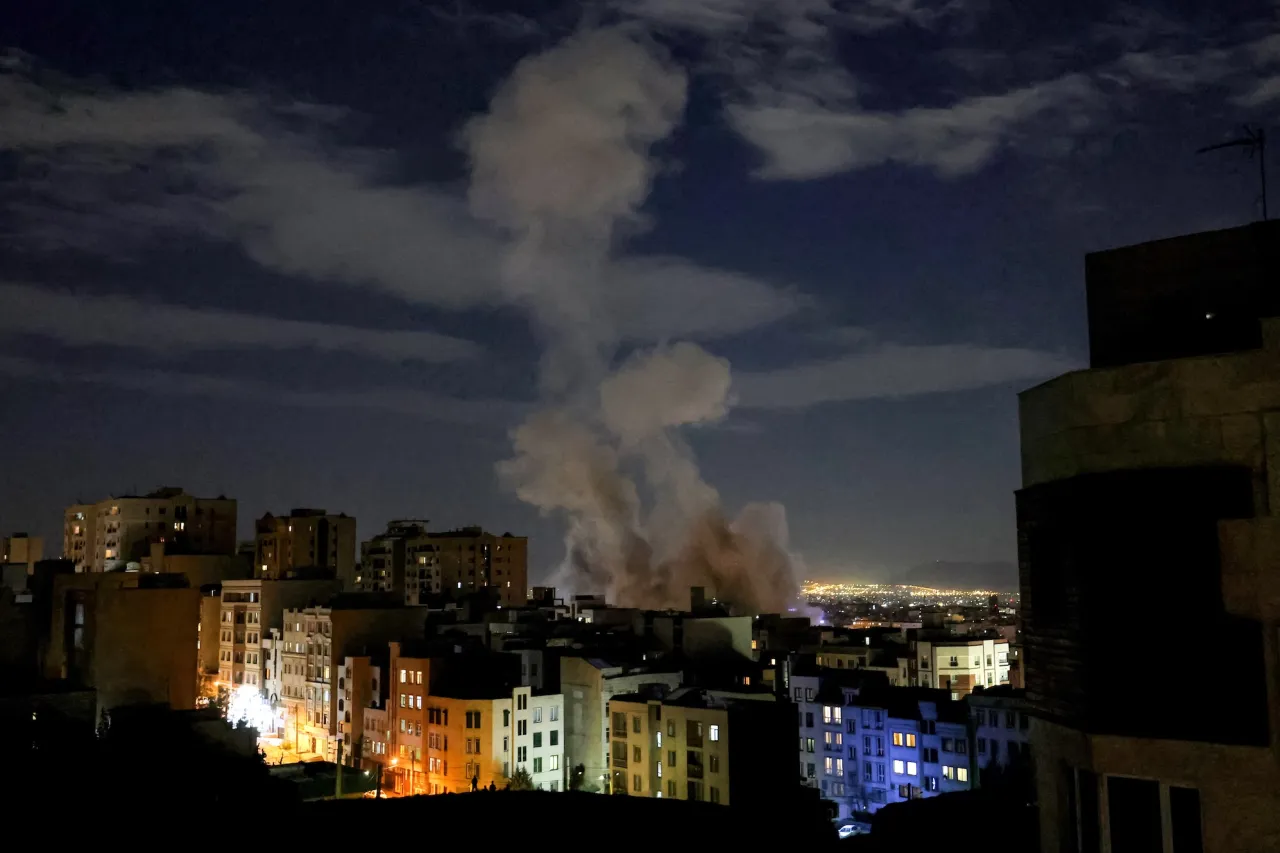
Early Saturday, coordinated U.S. and Israeli airstrikes struck major cities across Iran. Reports confirmed the death of Iran’s supreme leader, Ali Hosseini Khamenei.
This came after weeks of mass protests and failed talks between Tehran and Washington.
The impact was immediate:
- Power disruptions
- Leadership vacuum
- Panic in major cities
- Military retaliation threats
But something else happened at the same time.
The digital world inside Iran began collapsing.
Iran Cyberattacks Amid Airstrikes: The Prayer App Hack
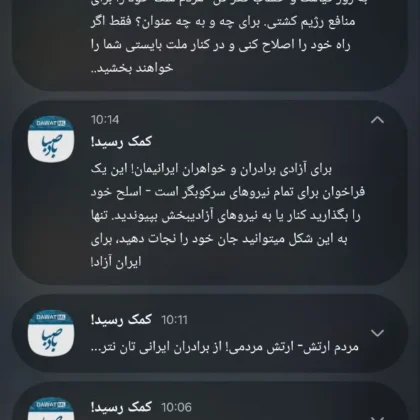
As bombs fell, millions of users received strange push alerts from the BadeSaba prayer app.
The notifications called for a “reckoning” and encouraged people to rise against the government. Reports from Wired suggest the app was compromised.
This is not random hacking.
This is strategic.
When you see Iran cyberattacks amid airstrikes, it shows coordination. Cyber operations are being used to create confusion, weaken morale, and shape public opinion.
The app has over 5 million downloads. That makes it a powerful tool if hacked.
In modern conflict, apps are weapons.
Internet Shutdown Tehran: Connectivity Drops to Zero
Shortly after the airstrikes, internet traffic across Iran collapsed. Analysts from Kentik reported near-zero connectivity levels. Cloudflare confirmed the drop.
An internet shutdown in Tehran during military action serves a purpose:
- Stop real-time reporting
- Block coordination
- Reduce outside cyber interference
- Control public reaction
But it also creates chaos.
Hospitals depend on networks. Banks rely on cloud systems. Businesses need connectivity.
When the internet goes dark, daily life stops.
Cyber Warfare Iran: A Bigger Strategy at Play?
The Jerusalem Post reported that cyberattacks were part of the operation to limit Iran’s response.
This fits a long history of cyber pressure in the region.
Iran has strong cyber units. The U.S. and Israel are also known for advanced cyber capabilities. The phrase cyber warfare Iran is no longer theory. It is happening in real time.
We may now be seeing a full hybrid model:
- Airstrikes
- App hacks
- Internet shutdowns
- Financial system pressure
This changes how wars are fought.
AWS Outage in UAE Raises Global Alarm
The crisis did not stop at Iran’s borders.
Amazon confirmed an outage at its Middle East data center in the UAE. The company said objects struck the facility, causing sparks and fire.
An AWS outage in this region is serious.
Many startups, ecommerce platforms, fintech apps, and logistics firms rely on those servers.
Possible effects include:
- Payment delays
- Ecommerce downtime
- Cloud app failures
- Shipping disruptions
The Strait of Hormuz is already a key global trade route. Add missile strikes and cloud outages, and global markets feel pressure.
This shows how military conflict can now directly impact global tech infrastructure.
Global Risks: What Could Happen Next?
Iran is unlikely to stay silent.
If escalation continues, we could see:
- Cyberattacks on U.S. financial institutions
- Israeli infrastructure disruptions
- Oil facility hacking
- Crypto exchange attacks
The keyword many are searching now — Iran US airstrikes hackers internet outages — reflects fear of wider escalation.
And that fear is valid.
In recent years, state-backed cyber groups have proven they can disrupt power grids and banks.
This conflict could expand into long-term digital warfare.
What This Means for Businesses and Users
This crisis sends a clear message.
- Cloud redundancy is critical.
- Apps must strengthen security.
- Data backups should be offline.
- Companies need regional failover plans.
For users in affected regions:
- Enable two-factor authentication
- Avoid unknown push alerts
- Keep offline copies of key documents
- Use trusted VPN services carefully
Cyber chaos spreads fast during military action.
Preparation matters.
Why This Story Matters Globally
The Iran US airstrikes hackers internet outages situation shows the future of conflict.
War is no longer just physical.
It is digital.
Missiles hit cities. Hackers hit apps. Internet lines go silent. Cloud servers catch fire.
Everything is connected.
And when one region goes offline, the ripple effect can touch businesses and users worldwide.
Final Thoughts
This is still unfolding.
Leadership change. Cyberattacks. Internet collapse. Cloud outages.
The world is watching closely.
If escalation continues, this could become one of the defining cyber warfare moments of the decade.
Stay with TechBoltX for updates as this story develops.
About TechBoltX Team
TechBoltX covers global tech, cybersecurity, AI, and digital conflict with deep research and clear analysis. Our goal is simple: explain complex tech events in a way everyone can understand, while staying accurate, timely, and trusted.
About the Author
Anish covers Roblox guides, events, and tips. He helps players find secrets, updates, and gameplay tricks.