
ByAnish
How I Would Learn To Code (If I Could Start Over)
Introduction
Learning to code in 2025 is one of the smartest moves you can make. Whether you’re switching careers, freelancing, or just want to understand tech better, this skill opens real-world opportunities.
But here’s the truth: most beginners waste time learning the wrong things, in the wrong order. If I could start over today, this is exactly how I would do it — smarter, faster, and more focused.
1. Start With “Why” Before “How”
Before opening a tutorial or downloading an editor, ask:
-
Do I want to build websites, apps, or work with data?
-
Am I coding to get a job, start a side hustle, or build something for fun?
Knowing your “why” shapes everything — from what language you choose to what projects you build.
2. Pick ONE Language (And Stick to It)
Don’t jump between languages. Stick with one language based on your goal:
-
Web development → JavaScript
-
Data science / AI → Python
-
App development → Dart (Flutter) or Swift
-
Backend development → Python or Node.js
🔑 Focus builds momentum.
3. Build Real Projects From Day One
The best way to learn is by doing.
Start building small projects after just a few lessons:
-
Personal portfolio
-
Weather app (use an API)
-
To-do list
-
Simple blog
You’ll learn 10x faster by solving real problems.
4. Don’t Just Watch — Code Along
Tutorials are great, but watching alone won’t make you a developer.
✅ Do this:
-
Code as you watch
-
Pause and tweak the code
-
Rebuild the project without looking
Active learning > Passive watching.
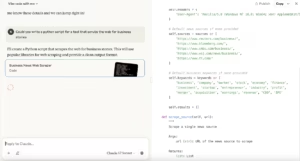
5. Use AI as a Learning Partner
In 2025, AI tools are game-changers for learning code.
Use:
-
ChatGPT: to explain concepts or debug errors
-
GitHub Copilot: to autocomplete and improve your code
-
Replit Ghostwriter or Cursor IDE: for smart AI code assistance
🧠 Let AI be your mentor, not your crutch.
6. Join a Developer Community
Avoid the #1 trap: isolation.
🎯 Join:
-
Twitter/X coding threads
-
Discord groups (like freeCodeCamp or The Odin Project)
-
Local or online hackathons
Other people will keep you motivated, inspired, and accountable.
7. Master the Fundamentals First
Don’t rush into frameworks.
Understand:
-
Variables, loops, functions
-
Arrays & objects
-
DOM manipulation (for web dev)
-
Git & GitHub basics
Frameworks like React are easier once you nail the core concepts.
8. Follow a Proven Roadmap
Don’t wing it — follow structured learning paths:
📌 Clear paths prevent overwhelm and track progress.
9. Share Everything You Learn
Build a digital footprint as you learn:
-
Blog your coding journey
-
Post on LinkedIn or X
-
Push all projects to GitHub
💼 This builds credibility, helps you reflect, and gets you job-ready faster.
10. Stay Patient & Consistent
Learning to code isn’t easy, but it’s absolutely worth it.
-
You’ll get stuck. That’s normal.
-
You’ll feel imposter syndrome. Everyone does.
Just keep showing up. Code every day — even if it’s 20 minutes.
Success = Consistency × Time
Bonus: Tools & Platforms to Kickstart Your Coding Journey
Here are the best beginner-friendly tools to start coding in 2025:
🌐 Code Editors
📚 Learning Platforms
-
Scrimba (interactive coding)
⚙️ AI Tools
-
Cursor IDE (AI-native editor)
🤝 Community
-
Twitter/X hashtags:
#100DaysOfCode,#CodeNewbie
Final Thoughts
If I could start over, I wouldn’t chase every language or tool. I’d pick one direction, build real things, learn the fundamentals deeply, and lean on AI and community support.
Coding is a lifelong journey — but your first 30 days are everything.
Start small. Stay consistent. Build with purpose.
FAQs
Q: Is it too late to learn to code in 2025?
A: Not at all. The demand for developers is growing. It’s the perfect time to start.
Q: Do I need math to become a programmer?
A: Basic logic helps, but you don’t need advanced math for web or app development.
Q: What’s the best free way to learn coding?
A: Start with freeCodeCamp or The Odin Project. Both are free, structured, and beginner-friendly.
Q: How long does it take to get hired as a developer?
A: With consistent effort, you can build a solid portfolio in 6–12 months.
About the Author
Anish is the founder of TechBoltX, sharing mobile gaming rewards, guides, and daily updates.