
ByAnish
Top Programming Languages Cybersecurity Experts Must Learn in 2025
🛡️ Top Programming Languages for Cybersecurity Professionals in 2025
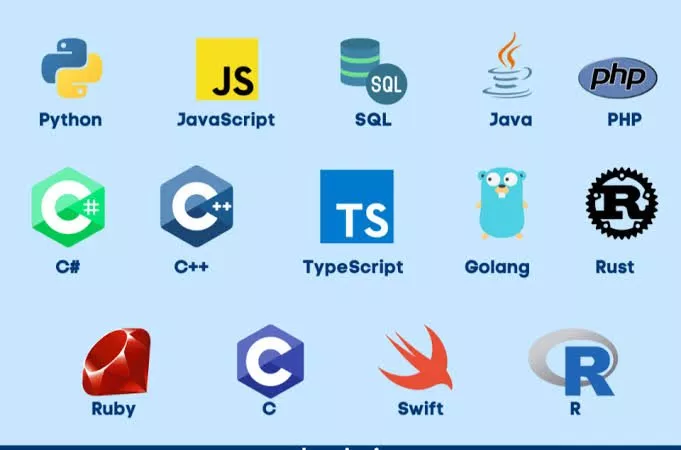
In the ever-evolving world of cyber threats, cybersecurity professionals need more than just tools—they need the right programming languages to understand, prevent, and counter attacks. As we head into 2025, here are the most relevant and powerful languages every cybersecurity expert should consider mastering.
🔐 1. Python – The King of Cybersecurity
Why it matters:
-
Python is widely used for writing scripts to automate security tasks.
-
Libraries like Scapy, Impacket, and Requests make it a go-to language for network analysis and penetration testing.
-
Easy to learn and extremely versatile.
Use Cases:
-
Malware analysis
-
Web app vulnerability scanning
-
Developing custom security tools
💣 2. C & C++ – For Low-Level System Access
Why it matters:
-
Many malware and exploits are written in C/C++ due to their low-level memory access.
-
Knowing these helps in reverse engineering, buffer overflow analysis, and understanding how OS-level vulnerabilities work.
Use Cases:
-
Writing rootkits
-
Kernel exploit development
-
Analyzing compiled binaries
🌐 3. JavaScript – Frontline in Web Security
Why it matters:
-
JavaScript is crucial for web app penetration testing.
-
Understanding XSS (Cross-Site Scripting), DOM manipulation, and client-side logic is vital for ethical hacking.
Use Cases:
-
Simulating XSS attacks
-
Analyzing browser behavior
-
Testing web-based vulnerabilities
⚡ 4. Go (Golang) – Rising Star in Security Tools
Why it matters:
-
Go is fast, efficient, and becoming the language of choice for modern security tools (like Cobra, GoPhish, and Amass).
-
Strong concurrency and networking capabilities make it perfect for building scalable tools.
Use Cases:
-
Network scanners
-
Offensive security tools
-
APIs for cybersecurity platforms
🧬 5. Rust – Memory Safety Champion
Why it matters:
-
Rust provides performance close to C/C++ but with memory safety baked in.
-
Its growing use in secure systems programming makes it a must-know for future-focused professionals.
Use Cases:
-
Secure app development
-
Writing OS-level modules
-
Preventing memory-related bugs
🧠 6. SQL – Essential for Database Security
Why it matters:
-
SQL injection remains one of the most common web vulnerabilities.
-
Understanding SQL is necessary for identifying flaws and defending against database-related attacks.
Use Cases:
-
Detecting SQL injections
-
Pen-testing database queries
-
Securing data access layers
💼 Final Thoughts: Learn Smart, Not Just Hard
In 2025, cybersecurity is as much about knowing your tools as it is about knowing your code. Whether you’re analyzing malware, building secure software, or pen-testing web applications, mastering these languages will future-proof your cybersecurity career.
📌 Quick Recap: Best Programming Languages for Cybersecurity in 2025
| Language | Primary Use |
|---|---|
| Python | Scripting, Automation, Penetration Testing |
| C/C++ | Reverse Engineering, Exploits |
| JavaScript | Web Security, XSS Testing |
| Go | Building Security Tools |
| Rust | Secure System Programming |
| SQL | Database Security, Injection Prevention |
❓ Frequently Asked Questions (FAQ)
Q1. Which programming language is best for cybersecurity in 2025?
A: Python remains the top choice due to its simplicity and powerful libraries for penetration testing, malware analysis, and automation.
Q2. Is C or C++ still relevant for cybersecurity?
A: Yes. C and C++ are crucial for reverse engineering, exploit development, and understanding low-level system vulnerabilities.
Q3. Why is Rust gaining popularity in cybersecurity?
A: Rust offers memory safety and performance, making it ideal for building secure, low-level applications without common vulnerabilities like buffer overflows.
Q4. Do I need to learn SQL for cybersecurity?
A: Absolutely. SQL is key to understanding and preventing injection attacks, one of the most common web vulnerabilities.
Q5. Is JavaScript useful for cybersecurity professionals?
A: Yes. JavaScript knowledge helps in web application security, analyzing cross-site scripting (XSS), and securing frontend code.
Q6. Should beginners start with Python or Go?
A: Beginners are recommended to start with Python due to its simplicity. Go is excellent for building fast and secure tools once you’re more experienced.
About the Author
Anish is the founder of TechBoltX, sharing mobile gaming rewards, guides, and daily updates.