 ByAnish

Google Play Store Ruled Illegal Monopoly in 2025: Dev Win
Google Loses Antitrust Appeal: A New Era for Android App Stores Begins
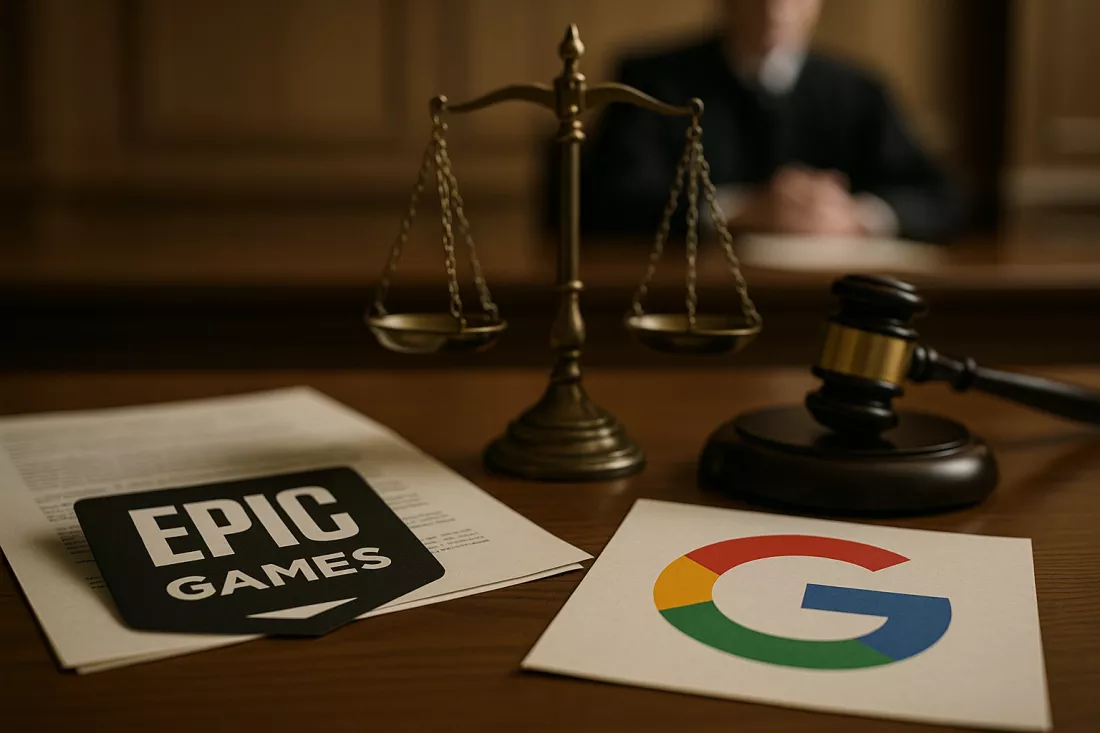
In a landmark ruling that reshapes the mobile app economy, the Ninth Circuit Court of Appeals has upheld a jury’s decision declaring Google’s Play Store an illegal monopoly. The decision stems from a legal battle initiated by Epic Games, the creator of Fortnite, and now compels Google to open the Android ecosystem to fair competition.
???? Background: Epic vs. Google – The Antitrust Showdown
The legal feud began in 2020 when Epic Games attempted to bypass the 15–30% commission fees imposed by both Apple and Google on in-app purchases. By introducing a direct payment system inside Fortnite, Epic challenged the tech giants’ control over app monetization. In response, both platforms removed Fortnite, triggering high-stakes lawsuits with major implications for digital marketplaces.
While Epic lost its case against Apple, the Android side of the conflict had a different outcome. In December 2023, a jury ruled that Google’s practices around app distribution and payments on Android were anti-competitive—despite Android’s open-source reputation.
⚖️ Key Court Findings Against Google
The court found that:
- Google used restrictive agreements with device manufacturers to limit access to competing app stores.
- Its dominance was maintained through “network effects,” effectively making the Play Store the unavoidable gateway to Android apps.
- Developers were forced to use Google’s billing system, limiting innovation and profitability.
- Exclusive deals with developers further suppressed competition.
Judge Margaret McKeown, writing for the court, emphasized that the evidence of Google’s anticompetitive behavior was “replete,” justifying the broad remedies imposed.
????️ What Google Must Change (Effective 2025)
The ruling mandates significant reforms:
- ✅ Third-Party App Stores: Google must allow third-party app stores to be accessible from within the Play Store itself.
- ✅ Alternative Billing: Developers are no longer required to use Google’s billing system—they can direct users to their own or third-party payment processors.
- ✅ No More Exclusivity Deals: Google is barred from offering incentives for developers to launch exclusively on its platform for at least three years.
These changes promise to increase developer earnings, foster competition, and give consumers more choice in how they install and pay for apps.
???? What’s Next for Google?
Google has signaled it may appeal to the U.S. Supreme Court, but unless further delays arise, the Android ecosystem is on the verge of unprecedented openness. The ruling could encourage similar legal scrutiny globally and may pressure Apple to reconsider its own closed model.
???? Why This Matters
| Feature | Impact for Developers |
|---|---|
| App Store Competition | Levels the playing field |
| Flexible Billing Options | Increases profit margins |
| No Exclusivity Requirements | Boosts app visibility and fairness |
| More Consumer Choice | Drives innovation and lower prices |
This ruling not only marks a major win for Epic Games but sets a legal precedent that could redefine the app economy for years to come.
???? Final Takeaway
The court’s decision signals a pivotal shift in digital market regulation. Developers now have a clearer path to fair competition, and users gain more control over their app experience. As mobile ecosystems evolve, transparency, openness, and choice are finally becoming the new standard.