 ByAnish

UK’s Online Safety Act vs VPNs: A Battle Already Lost?
UK’s Online Age Checks Are No Match for Young Brits
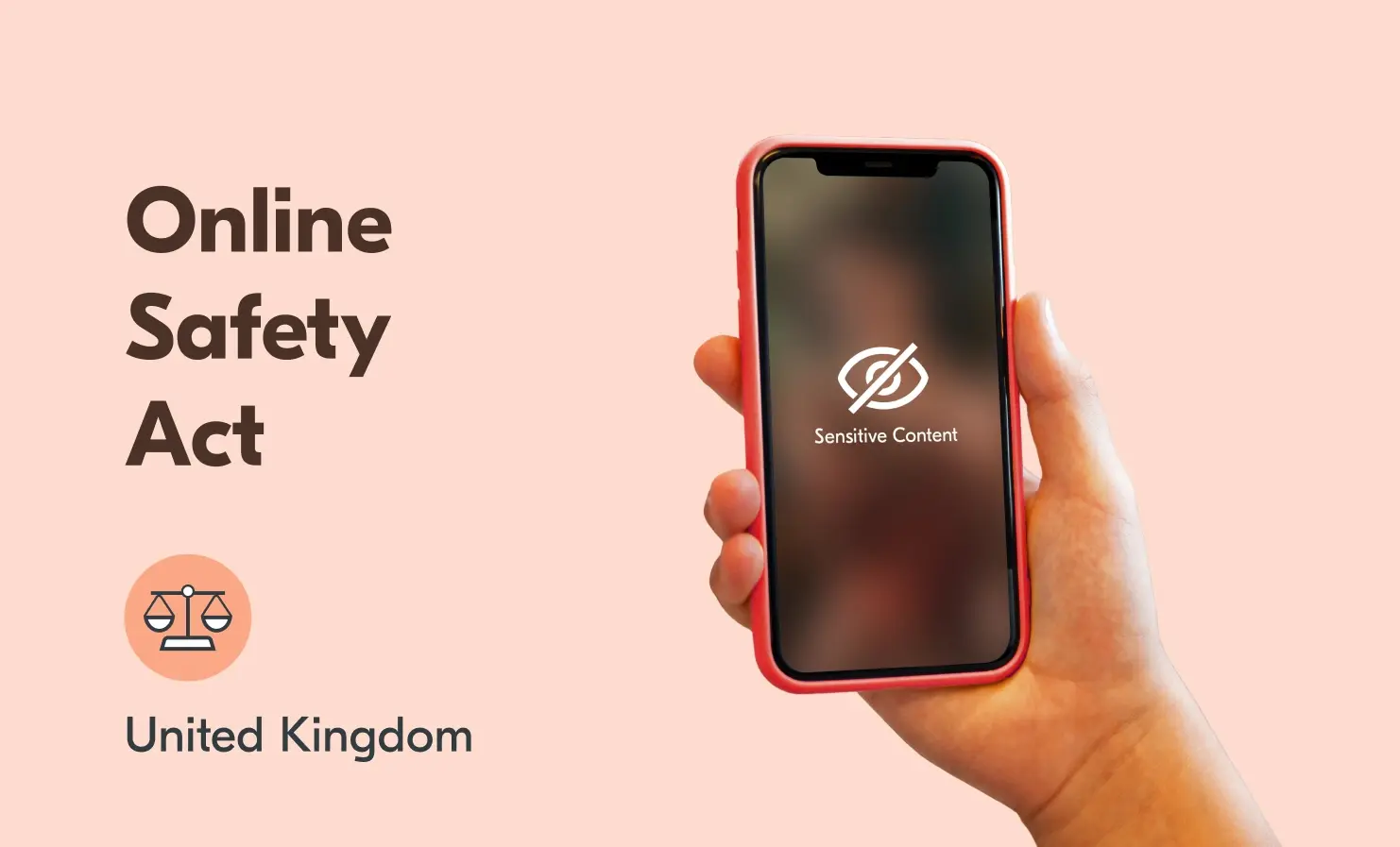
On paper, the UK’s new Online Safety Act is a bold effort to protect minors from harmful online content. In practice? It’s already being bypassed—at scale.
Since the law took effect this past Friday, VPN usage in the UK has surged, with Proton VPN reporting an 1800% increase in signups over the weekend. As the BBC reports, VPN apps dominated the App Store, with five out of the top ten free apps in the UK offering privacy and location-masking features.
???? What Does the Law Require?
The Online Safety Act mandates websites with adult or harmful content to implement strict age-verification checks. These checks can include:
- Facial scans or video verification
- Submitting government-issued IDs
- Third-party age-verification platforms
Targeted sites include platforms like Reddit, Pornhub, and even social media services like Bluesky, all now implementing age gates for UK users.
????Is This the Right Approach?
Critics argue that the law may do more harm than good. Here’s why:
“When age verification platforms collect biometric or ID data, they create high-risk honeypots for hackers,” says Tom Brooks, cybersecurity advisor at Data Privacy UK.
“We’ve already seen major leaks from age-check services used by major tech companies.”
Worse, privacy concerns loom large. Past incidents, like those exposed by 404 Media, revealed that age-verification data stored by providers used by TikTok and Uber were vulnerable to exploitation.
Additionally, experts at Stanford Internet Observatory warn that these measures may extend to censoring politically sensitive topics, such as reproductive health or LGBTQ+ resources—further fueling debates around digital rights vs. protection.
???? Workarounds Already in Use
In typical Gen Z fashion, some users found hilariously creative hacks. For instance:
- Gamers used characters like Death Stranding’s Sam Porter Bridges to spoof facial scans.
- Others shared step-by-step TikToks showing how to bypass Discord’s new checks.
But the most widespread method? VPNs.
???? A Global Trend—With Global Pushback
The UK is not alone. Countries like the US, Ireland, and France are rolling out or drafting similar age-check regulations. But without solving the privacy and enforceability issues, the result may just be a global increase in anonymous VPN traffic—and a loss of trust in government-run digital policies.
Did the UK VPN Ban in 2025? No, But It’s Complicated
Despite the rise of age-verification laws under the Online Safety Act, VPNs are still legal in the UK. There is no official VPN ban—but their sudden surge in popularity has drawn political and media attention.
The law targets websites distributing adult, harmful, or age-sensitive content, requiring them to block underage users through strict identity checks. However, VPNs allow users to appear as though they’re outside the UK, effectively bypassing these restrictions.
“There’s a difference between discouraging circumvention and banning privacy tools,” notes Emily Harris, a digital rights expert at Open Rights Group.
“VPNs have legitimate uses beyond dodging age checks—like securing public Wi-Fi or accessing censored journalism.”
While the government hasn’t taken legal steps to block VPN use, further regulation could be considered if circumvention becomes widespread.
✅ Final Thoughts
The intent behind the Online Safety Act is valid—but its implementation already appears flawed. Without balancing privacy, feasibility, and access to legitimate content, these laws risk being outpaced by the very digital natives they aim to protect.
For now, it seems the UK’s attempt to shield minors may be just one VPN app away from irrelevance.