 ByAnish

The World of Software Development and Programming In 2025
The World of Software Development and Programming IN 2025
Software development and programming are fundamental components of contemporary technology, fostering innovation and facilitating the digital landscape we inhabit today. From the applications on our mobile devices to the complex systems utilized in sectors such as healthcare, finance, and entertainment, software serves as the driving force behind nearly every facet of our digital existence. This article will delve into the fundamentals of software development and programming, explore various development types, outline the software development lifecycle, highlight key programming languages, and examine the emerging trends that are influencing the future of this domain.
What is Software Development?
The process of software development encompasses the design, creation, testing, and maintenance of software applications. This multifaceted process includes activities such as analyzing user requirements, coding, debugging, and deploying software systems. The primary objective of software development is to produce software solutions that fulfill specific user needs, resolve issues, or automate tasks. The outcomes of software development can range from mobile applications and desktop software to enterprise systems and web applications.
The Role of a Programmer
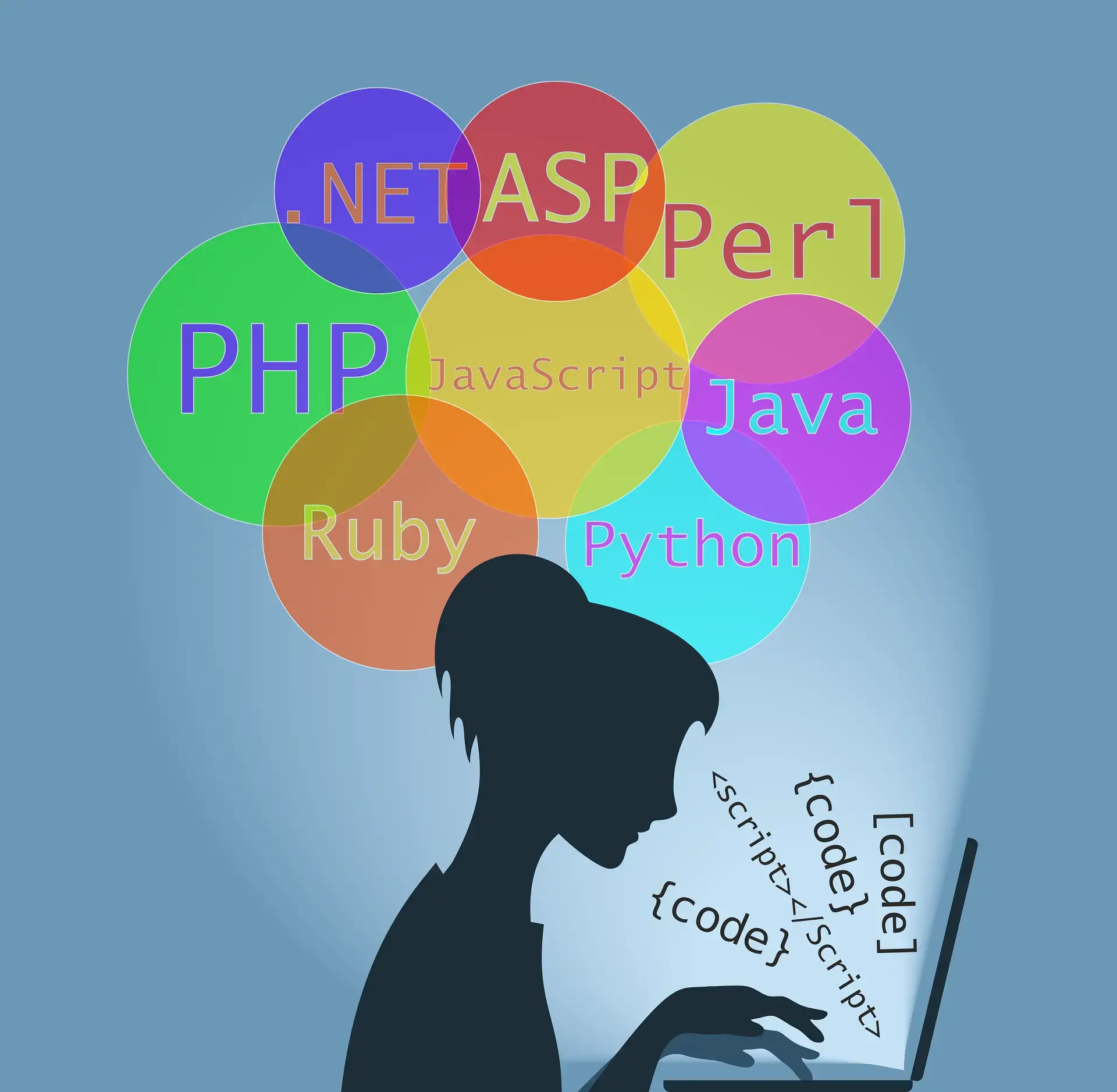
A programmer, also known as a software developer, is responsible for writing the code that enables software functionality. They utilize programming languages such as Python, JavaScript, Java, C++, and others to create the instructions that guide computers in executing tasks. Programmers play a crucial role in converting a set of requirements or specifications into a working product. Beyond coding, they frequently address bugs, enhance code for improved performance, and ensure the software is maintained throughout its lifecycle.
Types of Software Development
Software development can be divided into several specialized areas, each concentrating on different facets of software creation. Some of the primary categories include:
1. Web Development
Web development encompasses the creation of websites and web applications that operate within web browsers. This field is primarily divided into two main sub-disciplines:
Front-End Development: Front-end developers concentrate on the aspects of a website or application that users interact with, emphasizing design, layout, and user engagement. They employ technologies such as HTML, CSS, and JavaScript, along with frameworks like React, Angular, and Vue.js, to craft visually appealing and functional user interfaces.
Back-End Development: Back-end developers are responsible for the server-side components, databases, and application logic that support websites and applications. They utilize server-side programming languages such as Python, Ruby, PHP, and Node.js, and manage databases using systems like MySQL, PostgreSQL, or MongoDB.
While web developers may possess expertise in both front-end and back-end development, many choose to specialize in one area. The trend of developing full-stack applications, which integrate both front-end and back-end elements, is gaining popularity.
2. Mobile App Development
Mobile app development is centered on creating applications designed for smartphones and tablets, primarily targeting two major platforms:
Android Development: Android developers utilize programming languages such as Java and Kotlin to develop applications for Android devices, which represent the most widely adopted mobile operating system worldwide.
iOS Development: iOS developers employ Swift or Objective-C to create applications for Apple’s iPhone, iPad, and other devices. The iOS development environment is characterized by a more regulated ecosystem, featuring stricter guidelines for app submissions.
Mobile app developers aim to design applications that are responsive, user-friendly, and capable of leveraging the hardware capabilities of mobile devices, including features like the camera, GPS, and various sensors.
3. Game Development
Game development refers to the creation of interactive video games designed for various platforms, including consoles, computers, and mobile devices. Developers in this field utilize specialized programming languages such as C++ and C#, along with game engines like Unity and Unreal Engine, to craft both 2D and 3D gaming experiences. Collaboration is key in game development, as developers work alongside graphic designers, animators, and sound engineers to produce engaging and immersive user experiences. This discipline requires a unique combination of artistic vision and technical skill, making it one of the more intricate sectors within software development.
4. Enterprise Software Development
Enterprise software development focuses on building extensive software solutions tailored for businesses, organizations, and governmental entities. These systems are essential for managing fundamental business operations, including accounting, inventory management, human resources, and customer relationship management (CRM). Enterprise applications typically need to integrate with pre-existing systems and databases, necessitating developers to be well-versed in both legacy technologies and contemporary software tools.
Read More: Artificial Intelligence and Machine Learning: Shaping the Future of Technology In 2025
Technologies frequently employed in enterprise software development include Java, .NET, and enterprise-level frameworks such as Spring and Angular.
5. Cloud Computing and DevOps
Cloud computing and DevOps signify a transition towards scalable, automated, and cloud-centric software systems. Cloud developers concentrate on creating applications that operate on cloud infrastructures like Amazon Web Services (AWS), Microsoft Azure, or Google Cloud. DevOps engineers play a vital role in connecting development and operations, ensuring that software can be continuously delivered, tested, and updated in real-time.
This domain prioritizes automation, containerization (utilizing technologies such as Docker), and orchestration (leveraging Kubernetes), making it essential for organizations that depend on cloud-based services and infrastructure.
The Software Development Lifecycle
Software development is characterized by a sequence of stages commonly known as the Software Development Lifecycle (SDLC). This structured framework ensures that the final product aligns with user requirements and maintains high quality. Although the specific steps may differ based on the chosen methodology, the SDLC typically encompasses the following phases:
1. Planning and Requirement Analysis
Initially, developers collaborate with stakeholders—including clients, managers, and users—to collect requirements and outline the software’s scope. This phase focuses on comprehending the problem the software aims to address, identifying its users, and determining the necessary features and functionalities. Effective planning during this stage is crucial for the project’s overall success.
2. Design
After establishing clear requirements, developers proceed to create comprehensive designs for the software. This phase includes architectural design, database design, user interface design, and outlining how the software will interact with other systems. The objective is to produce a detailed blueprint that developers can reference during the coding process.
3. Coding (Development)
The coding phase involves the actual development of the software, where developers write the program using selected programming languages. Team collaboration is common, with different members responsible for specific sections of the code, such as front-end or back-end development. This phase frequently utilizes version control systems like Git to track modifications to the codebase.
4. Testing
Following the coding phase, the software undergoes testing to confirm its functionality and identify any bugs. Testing can be categorized into several levels:
Unit Testing: Evaluating individual software components to ensure they operate correctly.
Integration Testing: Assessing the interaction between different components.
System Testing: Verifying that the complete system meets the established requirements.
User Acceptance Testing (UAT): Engaging real users to test the software and confirm it meets their expectations.
5. Deployment
Once the software has successfully completed all testing phases, it is deemed ready for deployment. During this stage, the software is made available to users, which may involve installation on individual devices or deploying it to a web server or cloud infrastructure.
6. Maintenance and Updates
However, the software development process does not conclude with deployment. Continuous maintenance is necessary to address bugs, implement feature updates, and ensure compatibility with evolving systems. This phase is crucial for maintaining the software’s performance over time.
Popular Programming Languages
The selection of a programming language typically hinges on the specific type of software being developed. Some of the most frequently utilized programming languages include:
Python: Renowned for its simplicity and readability, Python is extensively employed in web development, data science, artificial intelligence, and automation.
JavaScript: As a fundamental component of web development, JavaScript is vital for both front-end and back-end development.
Java: A versatile, object-oriented language that is widely adopted in enterprise applications, Android development, and large-scale systems.
C++: A robust language utilized for system software, game development, and applications requiring high performance.
Swift: The primary language for developing applications on iOS and macOS platforms.
Ruby: Celebrated for its user-friendliness, Ruby is commonly used in web development, particularly with the Ruby on Rails framework.
The Future of Software Development and Programming
The field of software development is in a state of continuous transformation, driven by the introduction of innovative tools, frameworks, and methodologies designed to address the needs of contemporary computing. Several significant trends are influencing the future landscape of software development, including:
Artificial Intelligence and Machine Learning:
An increasing number of developers are integrating AI and ML functionalities into their applications, resulting in the creation of more intelligent and efficient systems.
Low-Code/No-Code Development:
Platforms that enable users to create applications without requiring extensive programming skills are enhancing the accessibility of software development.
Cloud-Native Development:
As organizations transition to cloud-based infrastructures, the adoption of cloud-native development practices—such as microservices, containers, and DevOps—has become increasingly vital.
Cybersecurity:
In light of the rising incidence of data breaches, there is a heightened demand for developers skilled in secure coding practices to safeguard user information and mitigate cyber threats.
Conclusion
Software development and programming are fundamental components of the digital landscape. Whether developing web applications, mobile solutions, or enterprise systems, software developers play a pivotal role in shaping the technology that permeates our daily lives. With a continually expanding array of tools, languages, and methodologies at their fingertips, developers are consistently redefining the potential of software, leading to the creation of smarter, more efficient, and impactful systems. As technology progresses, the domain of software development will also evolve, presenting new challenges and opportunities for developers globally.