 ByAnish

Tesla’s Master Plan 4: AI Hype vs. EV Reality
Tesla’s Master Plan 4: AI Hype vs. EV Reality
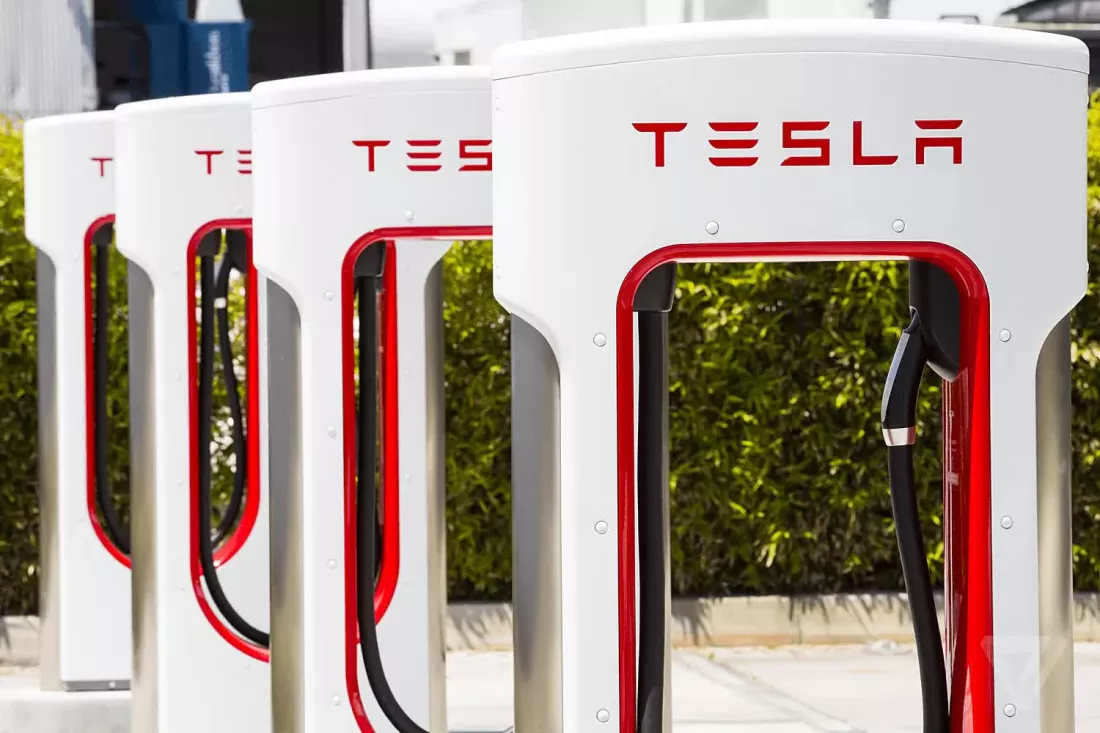
Tesla has released its fourth “Master Plan”, a short but ambitious document that shifts focus away from electric vehicles and clean energy to AI, humanoid robots, self-driving cars, and the buzzword of the moment: “sustainable abundance.”
But while the language is futuristic and utopian, many critics argue it feels more like AI-generated hype than a serious roadmap.
From EVs to AI: What Changed?
Tesla’s earlier Master Plans had clear, product-driven goals:
- 2006 (Plan 1): Build an electric sports car → then affordable EVs.
- 2016 (Plan 2): Semi trucks, buses, and robotaxis.
- 2023 (Plan 3): Eliminate fossil fuels and lead the clean energy transition.
In contrast, Master Plan 4 speaks in sweeping terms about infinite growth, democratizing society, and freeing human time with robots—but offers little in the way of concrete deadlines or deliverables.
Why Critics Call It “AI Slop”
The new plan, published on X (formerly Twitter) instead of Tesla’s website, reads more like a philosophical TED Talk than a business roadmap. Critics note:
- Heavy reliance on AI buzzwords.
- No clear product milestones (like cars, batteries, or solar).
- Focus on “infinite growth” and “abundance” rather than measurable targets.
As one X user put it, “It reads like a glorified TED Talk, not a Gantt chart.”
Tesla’s Current Struggles
The timing of Master Plan 4 is notable. Tesla is facing:
- Declining sales across major global markets.
- Fierce EV competition from BYD, Hyundai, and legacy automakers.
- A Cybertruck flop after years of hype.
- Ongoing criticism that Autopilot isn’t truly self-driving.
- Brand damage from Musk’s politics and side ventures.
Even Tesla’s humanoid robots (Optimus) made headlines for serving popcorn at a diner — then failing mid-demo.
Why “Sustainable Abundance”?
The phrase mirrors recent think tank and policy discussions around growth, deregulation, and AI-driven prosperity. But applied to Tesla, it risks sounding like marketing spin rather than a serious strategy—especially given Musk’s unfinished promises from earlier plans.
The Bigger Picture
Tesla once set the standard for EV innovation. Now, as competitors deliver affordable EVs and strong growth, Tesla risks losing its edge if it pivots too heavily into abstract visions of AI-driven utopias.
Until Master Plan 4 is tied to real products, deadlines, and measurable goals, it may remain what critics call it: “AI slop floating on hype.”