 ByAnish

Russia Limits WhatsApp, Telegram Calls Over Data-Sharing
Russia Restricts WhatsApp and Telegram Calls Amid Privacy Standoff
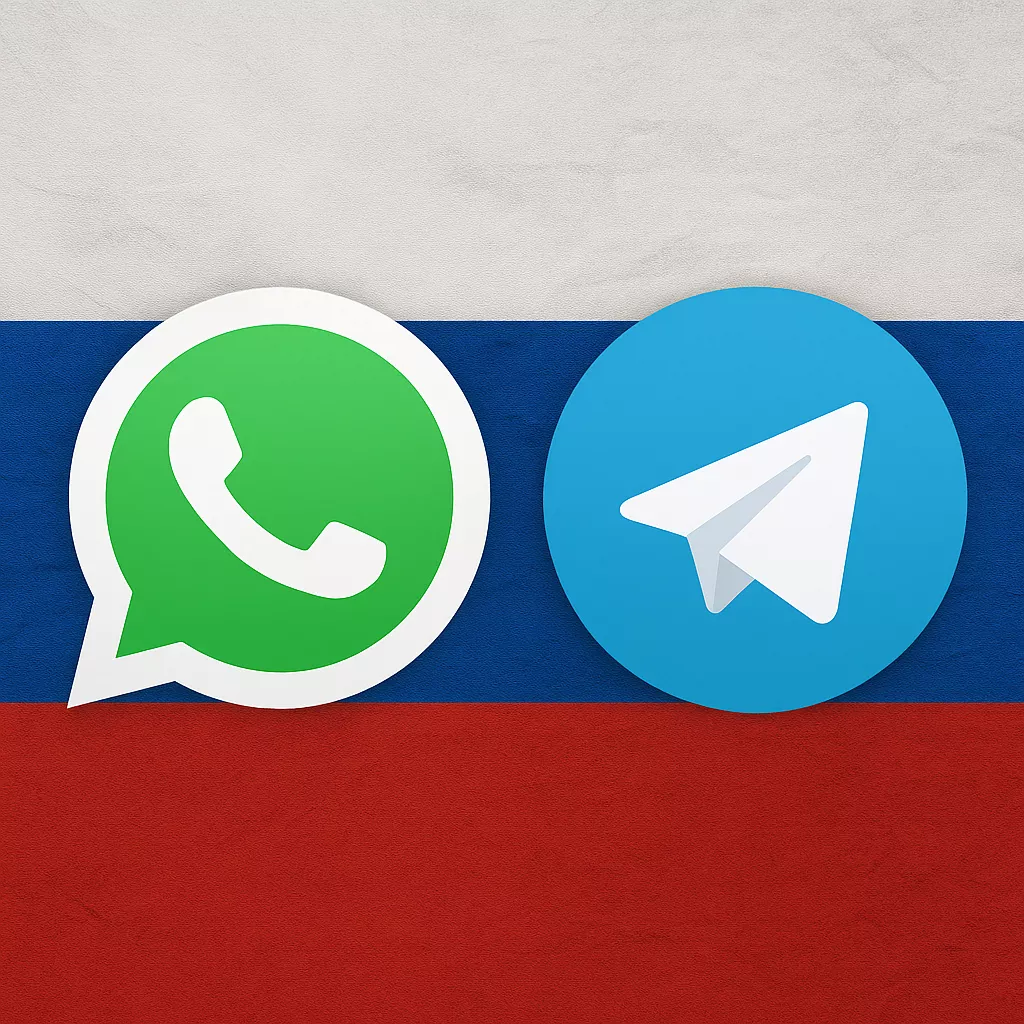
Russia has moved to limit voice and video calling features on WhatsApp and Telegram, escalating its push for greater state control over online communication. The country’s communications regulator, Roskomnadzor, claims the measures aim to combat fraud, extortion, and terrorism allegedly conducted via these encrypted platforms.
???? What Happened?
Since early August 2025, millions of Russian users have reported poor call quality or an inability to place or receive calls on WhatsApp and Telegram. Roskomnadzor confirmed the restrictions, describing them as “partial” limitations meant to “counteract criminals.” The agency alleges these foreign-owned messengers are the primary channels for schemes involving deception, sabotage, and terrorist recruitment.
Despite official statements downplaying the impact, users report that video calls and some other features are also intermittently disrupted.
???? Russia’s Demands and Company Responses
For years, Russia has demanded that global messaging platforms:
- Establish legal entities within Russia.
- Provide user data to law enforcement upon request.
- Remove prohibited content swiftly.
Both WhatsApp (owned by Meta) and Telegram have resisted — citing end-to-end encryption as a key privacy safeguard that even they cannot bypass.
WhatsApp Statement:
“WhatsApp is private, end-to-end encrypted, and defies government attempts to violate people’s right to secure communication, which is why Russia is trying to block it from over 100 million Russian people.”
Telegram also reaffirmed its stance, saying it removes millions of harmful messages daily but cannot provide encrypted user data to authorities.
???? The Bigger Picture: “Digital Sovereignty”
The restrictions are part of Moscow’s digital sovereignty strategy — aimed at bringing the Russian internet under tighter state oversight. Since the invasion of Ukraine in 2022, platforms like Facebook and Instagram have been fully blocked. While WhatsApp and Telegram have remained accessible, these new measures indicate intensifying pressure to replace them with state-backed alternatives.
One such app, Max, is expected to be pre-installed on new devices, giving the government unrestricted data access. Critics argue this will erode online privacy and increase censorship.
???? Impact on Users
According to Mediascope, WhatsApp and Telegram have a combined 185 million monthly users in Russia. The restrictions have left many struggling to connect with family and friends, heightening concerns over digital isolation.
???? What’s Next?
Officials suggest call services could be restored if both companies comply with Russian data laws. However, given their firm stance on encryption and privacy, a resolution appears unlikely. As Russia advances its internet control agenda, encrypted foreign messaging apps face an uncertain future in one of the world’s largest markets.
Key Takeaways:
- Voice and video calls on WhatsApp and Telegram are being restricted in Russia.
- The government demands data access, which both companies refuse.
- The crackdown is part of Russia’s push for digital sovereignty.
- Millions of users face degraded communication options.