 ByAnish
Next-Gen AI Wearables Are Revolutionizing Healthcare
Next-Gen AI Wearables Are Revolutionizing Healthcare
From smartwatches that detect heart abnormalities to fitness bands that warn of early illness, artificial intelligence (AI) is turning everyday wearables into powerful health tools. The fusion of AI with health-focused wearables is reshaping preventive care, diagnostics, and chronic condition management.
The Evolution of Wearable Technology
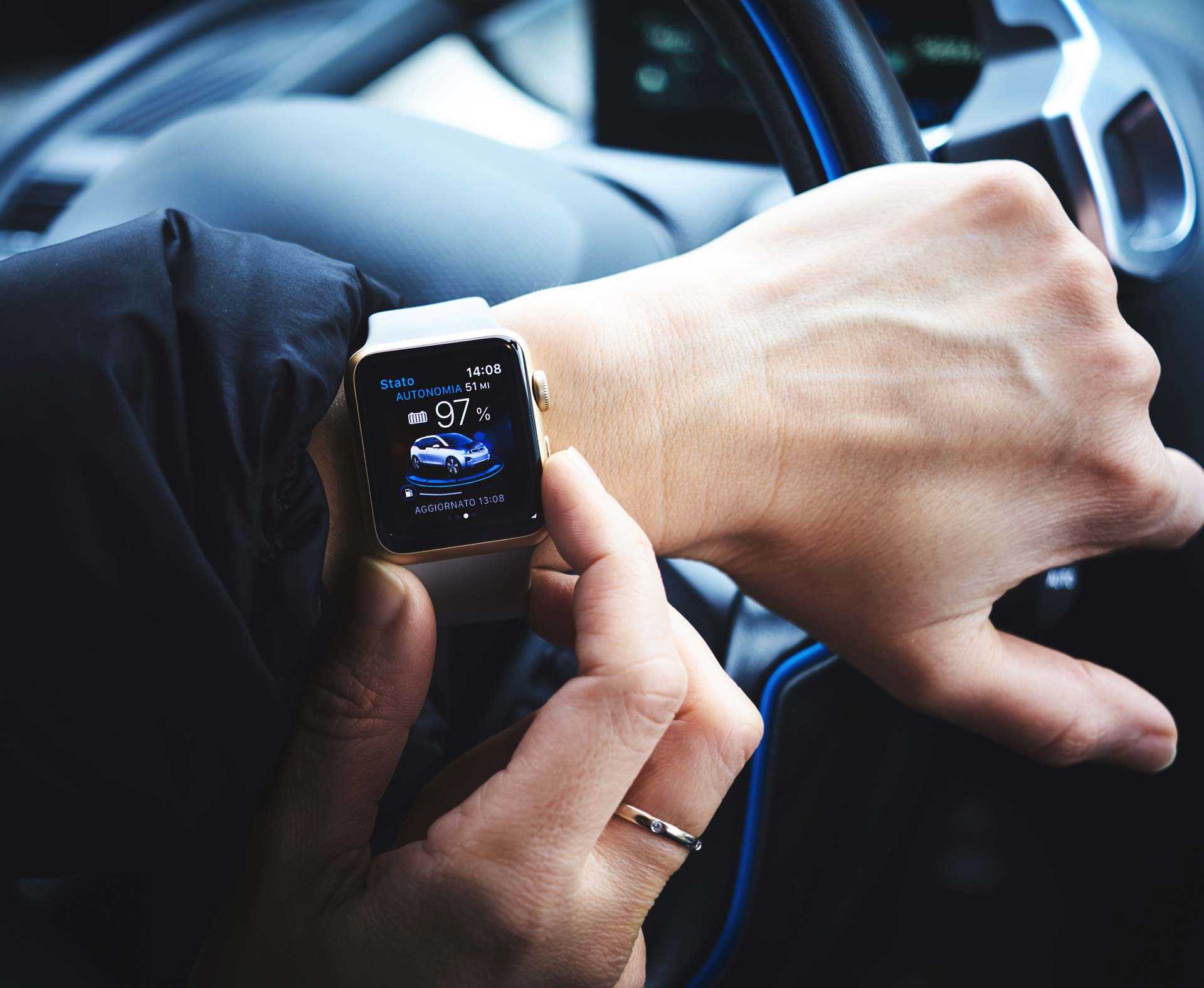
Wearables started as simple step counters and heart rate monitors. Today, they are sophisticated health tracking devices powered by machine learning algorithms. These tools don’t just collect data—they interpret it. AI enables wearables to analyze massive streams of health data in real-time, offering predictive insights and health alerts.
Key Features of AI-Powered Wearables
1. Early Illness Detection
AI algorithms can recognize subtle changes in metrics like skin temperature, oxygen saturation, or heart rate variability—often before symptoms become noticeable. For instance, some devices detected signs of COVID-19 up to three days before a positive test.
2. Personalized Health Recommendations
Modern wearables analyze individual baselines to provide tailored suggestions for sleep, activity, and stress management. Unlike traditional trackers, they learn and adapt to your lifestyle.
3. Chronic Disease Monitoring
Wearables now help manage conditions like diabetes, hypertension, and heart disease. Continuous glucose monitors (CGMs), when combined with AI, can predict blood sugar spikes and suggest corrective actions.
4. Emergency Response Integration
Some devices automatically alert emergency services or caregivers in the event of abnormal readings, such as atrial fibrillation or falls, especially crucial for elderly users.
Use Cases Transforming the Industry
- Apple Watch: With ECG and fall detection, it’s becoming a staple in heart health monitoring.
- Fitbit and Google Health: Leveraging AI to enhance sleep insights and health trend tracking.
- Whoop and Oura Ring: Focus on recovery, strain, and sleep cycles—used by elite athletes and wellness enthusiasts alike.
Challenges and Considerations
While promising, AI wearables raise concerns around data privacy, regulatory approval, and accessibility. Ensuring these tools are equitable and secure will be crucial as adoption grows.
The Future Outlook
As AI continues to improve, expect wearables to become more predictive and personalized. Future devices may detect diseases like Parkinson’s or Alzheimer’s long before traditional diagnosis is possible. Integration with telehealth and electronic medical records will make them indispensable to healthcare systems.
FAQs
Q1: How accurate are AI wearables in health detection? While not a replacement for clinical diagnosis, many AI wearables achieve high accuracy in detecting patterns that warrant further medical attention.
Q2: Are these devices safe and secure to use? Reputable brands prioritize data encryption and user consent. However, always review privacy policies and choose FDA-approved or regulated devices.
Q3: Can AI wearables help in managing chronic diseases? Yes, many AI wearables are designed to assist with ongoing monitoring and alerts for chronic conditions like diabetes, hypertension, and heart disease.
Q4: Who can benefit most from AI wearables? Everyone from fitness enthusiasts to elderly individuals managing chronic conditions can benefit from the health insights and monitoring features.
Q5: What’s next for AI in wearables? Future wearables will likely detect neurological conditions, integrate with digital health records, and become key tools in predictive healthcare.