
ByAnish
Microsoft’s 2030 AI OS May Replace Mouse & Keyboard
Microsoft’s Windows 2030 Vision: Will AI Replace the Mouse and Keyboard?
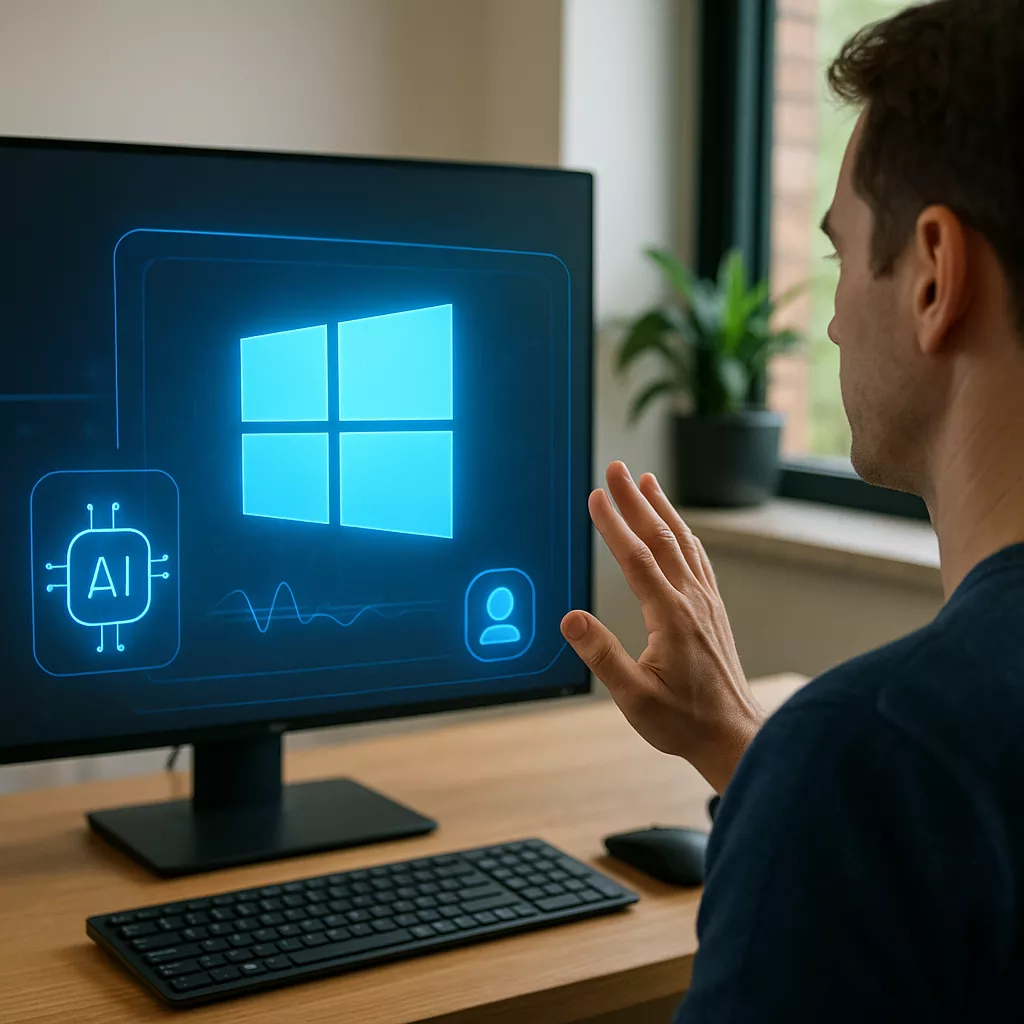
Microsoft is betting big on artificial intelligence, and its latest vision for the future of Windows suggests a radical shift: by 2030, traditional input methods like the mouse and keyboard may feel as outdated as MS-DOS does to Gen Z. The tech giant recently unveiled its Windows 2030 Vision, predicting that natural language interaction and agentic AI will become the new norm in personal computing.
A Glimpse into the AI OS Era
In a new video series, David Weston, Corporate VP of Enterprise & Security at Microsoft, outlines a bold direction. Instead of clicking and typing, users will talk, gesture, and collaborate with AI-powered agents embedded within the OS. Weston explains, “I think we will do less with our eyes and more talking to our computers.”
This shift toward multimodal AI—where the system can see, hear, and respond in real-time—represents a fundamental transformation in how we engage with technology. Microsoft sees agentic AI not as a gimmick, but as a virtual colleague that can attend meetings, analyze security threats, and perform tasks autonomously.
Will It Replace Human Interaction?
Microsoft claims this AI-first approach will eliminate mundane “toil work,” freeing users to focus on creativity and strategy. However, critics argue the timeline is overly ambitious. Despite billions invested in OpenAI and other ventures, many feel Microsoft is pushing AI too fast, too soon. Recent controversies, such as the Recall screenshot feature backlash, highlight consumer resistance to invasive or buggy AI implementations.
Is the Mouse Really Obsolete?
While the idea of controlling Windows entirely through voice and AI sounds futuristic, many tech professionals are skeptical. The mouse and keyboard offer speed, precision, and comfort—traits not easily replaced. In fact, the backlash to some AI integrations, including Copilot’s limited utility, shows that users still prefer manual control in many tasks.
The Verdict: Evolution, Not Erasure
Agentic AI will undoubtedly reshape the OS landscape by 2030, but complete replacement of traditional interfaces is unlikely in such a short time frame. Microsoft’s vision is aspirational, not absolute. Voice and gesture-based computing may coexist with legacy tools, much like touchscreen and stylus input evolved alongside keyboards on modern devices.
Bottom Line:
Microsoft’s vision for a hands-free, AI-driven Windows 2030 OS is a bold look ahead. But whether it will dethrone the mouse and keyboard—or simply enhance them—remains to be seen. One thing’s clear: the future of personal computing will be intelligent, conversational, and immersive.
About the Author
Anish is the founder of TechBoltX, sharing mobile gaming rewards, guides, and daily updates.