 ByAnish
Microsoft Retires Blue Screen of Death After 40 Years
Microsoft Retires Blue Screen of Death After 40 Years
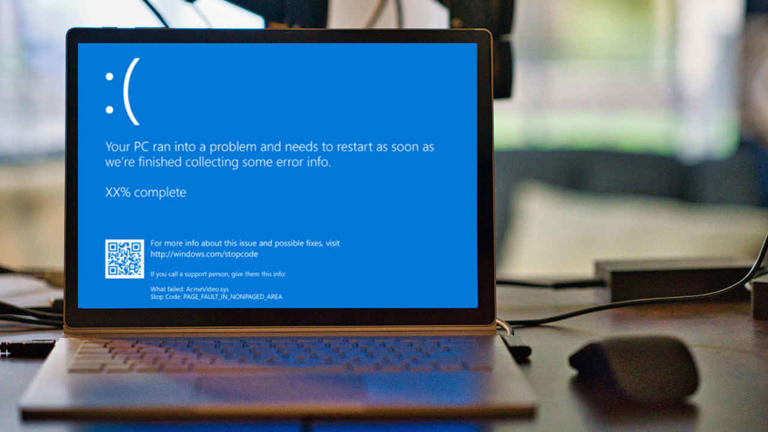
A major era in computing history is coming to an end: Microsoft has announced it will retire the iconic Blue Screen of Death (BSOD) after nearly four decades. As part of a broader Windows 11 update rolling out later this summer, the dreaded blue crash screen will be replaced by a brand-new Black Screen of Death.
According to a report by The Verge, the redesigned screen will drop the familiar blue background, sad face emoji, and QR code that users have come to associate with critical system errors. Instead, it will feature a clean black background, along with clearer diagnostic information. The updated interface will display the stop code and identify the specific system driver behind the crash, making it easier for IT teams and system admins to troubleshoot without digging into crash dump files or using tools like WinDbg.
David Weston, Microsoft’s Vice President of Enterprise and OS Security, explained the motivation behind the redesign:
“This is really an attempt at clarity and providing better information… so we can fix it faster. Part of it is just cleaner information on what exactly went wrong — whether it’s Windows itself or a component.”
Beyond the visual overhaul, Microsoft is also introducing a powerful new feature: Quick Machine Recovery. This tool is designed to rapidly restore unbootable PCs, reducing downtime and keeping businesses running smoothly. The move comes in response to last year’s significant CrowdStrike-related outage, which saw millions of Windows machines crash to a BSOD due to a faulty update.
While the Blue Screen of Death became an iconic — if frustrating — part of Windows history, Microsoft’s decision to replace it with the Black Screen of Death is more than just a rebrand. It’s a step towards greater transparency, clearer diagnostics, and faster issue resolution, all aimed at improving the Windows 11 experience for users and administrators alike.
With these changes rolling out soon, the classic BSOD’s blue hue will soon be a thing of the past — marking the end of an era and the start of a smarter, more helpful approach to system crashes.