 ByAnish

MCP Servers: The Temptation to Share Your Data with AI
MCP Servers: The Temptation to Share Your Data with AI — And Why It Could Become a Security Headache
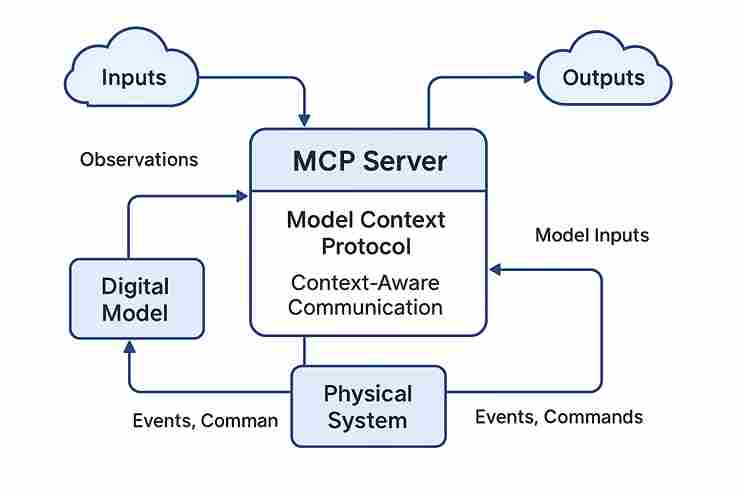
Artificial intelligence isn’t slowing down — and the next frontier now has a name: MCP, short for Model Context Protocol.
This new standard is designed to help AI assistants and models seamlessly connect with external data sources and apps, making them far more useful. But as MCP gains traction, it also raises a critical question: Can sharing your data across AI tools and services remain safe?
⚙️ What exactly is MCP?
MCP, often described as a “USB-C for AI,” acts as a universal translator, allowing language models and AI agents to pull data from different tools, platforms, and services in real time.
The goal? To end the clunky process of copying data between apps, and instead let AI systems do it automatically — making tasks like portfolio analysis, research, and content creation faster and smarter.
For example:
- Indian fintech giant Zerodha built an MCP integration with Anthropic’s Claude model. It can now help users plan trades, backtest strategies, and even create personal finance dashboards.
- Canva rolled out a connector with OpenAI’s ChatGPT, so users can ask questions and instantly generate designs, documents, or presentations without switching apps.
- Tools like 11Labs’ voice assistant and Cline are combining multiple MCP servers to create richer workflows, like research pipelines and automated coding assistance.
Even cloud giants are on board: Microsoft is investing heavily in MCP through Azure OpenAI Services, and AWS has released open-source tools to help developers build MCP-powered applications.
???? Why everyone’s rushing to adopt it
Modern AI assistants have become deeply woven into creative and business workflows, but they often lack real-time context. MCP bridges that gap by letting AI see, fetch, and analyze live data across platforms.
Imagine summarizing your latest financial report, designing a slide deck, and drafting a follow-up email — all in one chat window, without switching apps or copy-pasting. That’s the promise behind MCP.
⚠️ The elephant in the room: data security and privacy
While MCP unlocks impressive functionality, it also carries real risks — especially when sensitive personal or business data flows between systems controlled by AI “black boxes.”
Key concerns experts are raising:
✅ Prompt injection attacks: Hackers could trick AI agents into leaking data or executing harmful instructions.
✅ Misconfigured servers: Mistakes in how MCP servers handle authentication could expose user data or allow attackers to impersonate users.
✅ External communication: AI models with access to both private data and internet-connected MCP servers create what security experts call a “lethal trifecta.”
OpenAI has already warned developers to be cautious about which custom MCP servers they add, emphasizing that even seemingly harmless integrations — like document search — can introduce risk.
Microsoft has flagged risks too, including token theft and sensitive data exposure through poorly secured MCP endpoints.
???? Balancing innovation and responsibility
Tech leaders see MCP as a major step toward seamless, AI-powered workflows. But experts like Zerodha CTO Kailash Nadh caution that while MCP feels liberating for users, it also centralizes a lot of power — and potential failure — within AI models themselves.
Regulatory, ethical, and technical safeguards are still catching up to this rapid evolution. As MCP spreads across industries, the real test will be how companies protect user data and ensure accountability when something goes wrong.
✅ Bottom line
MCP could transform how AI fits into our daily work — from investing and design to coding and customer support. But as with any powerful new tool, security, privacy, and transparency must come first.
If you’re a developer or business exploring MCP, keep your focus not just on what AI can do — but also on how to keep user data safe while it does it.