
ByAnish
Comprehensive Breakdown Made by Google 2025 Event Highlights
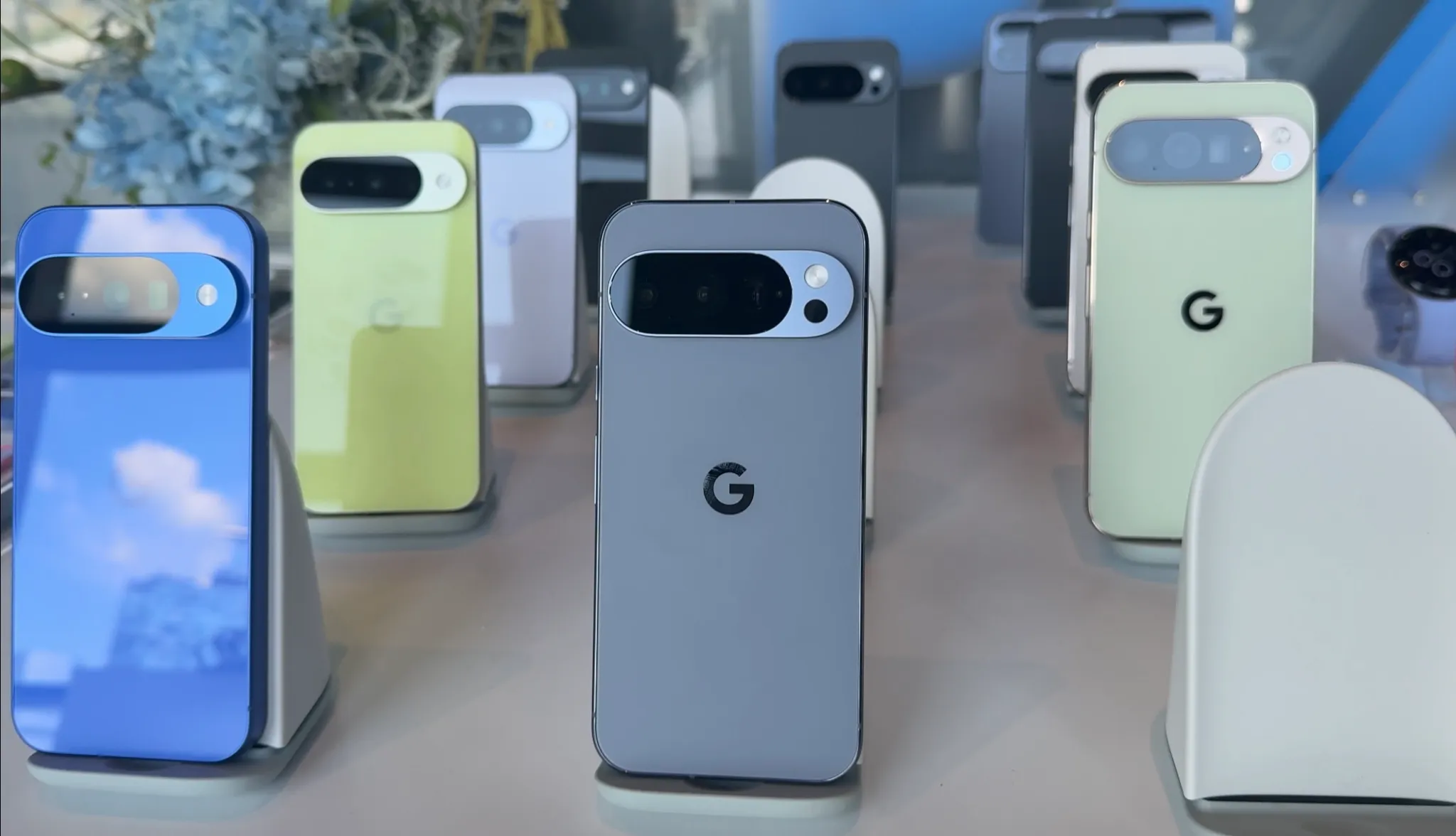
Google’s late-August “Made by Google” showcase delivered its most ambitious hardware and AI integrations to date, setting the stage for the fall smartphone cycle and positioning the company to challenge Apple’s ecosystem momentum. Below is an in-depth analysis of the key product unveilings, strategic positioning, and competitive implications.
1. Pixel 10 Series: Democratizing Flagship Photography
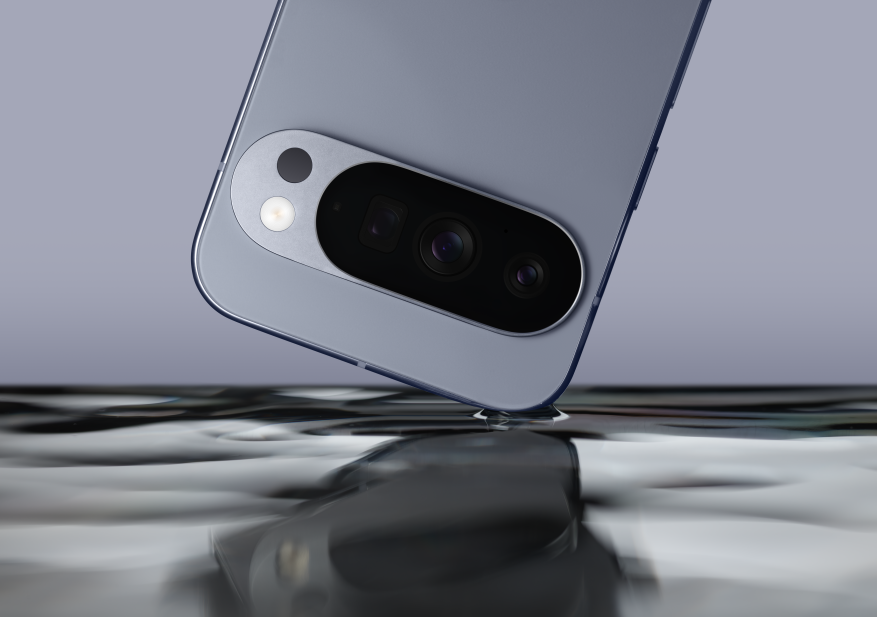
- Base Pixel 10 Joins the Triple-Camera Club
– Primary (50 MP GN2), Ultra-wide (12 MP), Telephoto (5× optical) lenses now standard on the base model, narrowing feature gaps with the Pro variants.
– 100× ProRes Zoom extends high-quality digital zoom capabilities. - Tensor G5 & Gemini AI Integration
– New Tensor G5 SoC delivers ~30% faster CPU and ~25% faster GPU performance, with specialized accelerators for Gemini generative tasks (camera coach, conversational photo edits).
– Gemini Live gains multimodal context: share live camera input for real-time guidance (e.g., interior design tips). - Design Continuity & PixelSnap
– Retains Pixel 9 chassis aesthetic with slimmer bezels.
– PixelSnap magnetic accessories (Qi2 charger, cases, ring stand) bolster Google’s budding MagSafe competitor.
Pricing remains aggressive: starting at $699 for Pixel 10 and $999 for Pixel 10 Pro, undercutting rivals while offering flagship-grade imaging.
2. Pixel 10 Pro Fold: Google’s Refined Foldable
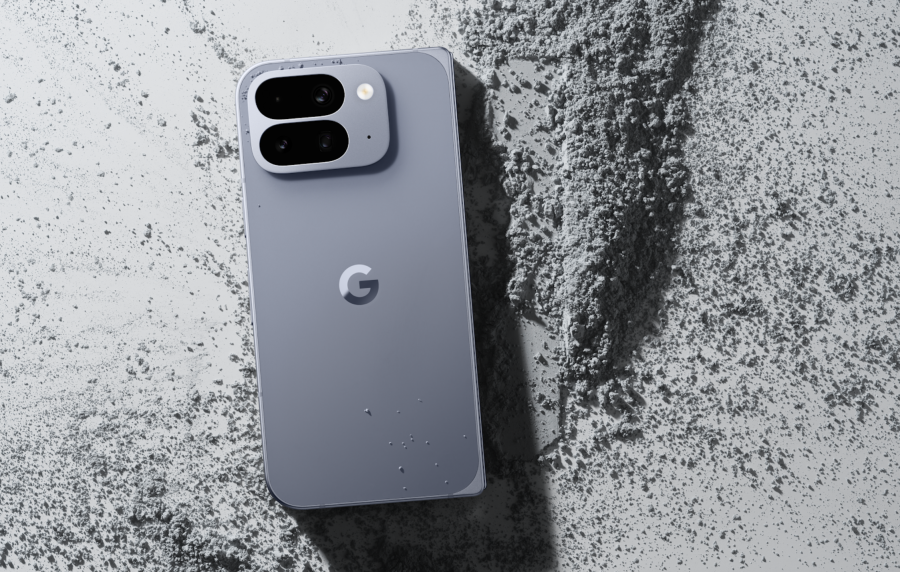
- Display & Durability
– 6.4″ cover, 8″ main OLED, with thinner bezels and reinforced hinge.
– IP68 rating, the first water/dust protection for Google’s foldable line. - Imaging & Performance
– Shares Tensor G5 and Gemini features with clamshell siblings.
– Expected camera upgrades: 48 MP ultra-wide, 5× optical telephoto, plus improved battery life.
At $1,799, the Pro Fold now competes directly with Samsung’s Z Fold series, offering similar durability and AI-driven enhancements.
3. Wearables & Audio: Expanding Google’s Ecosystem
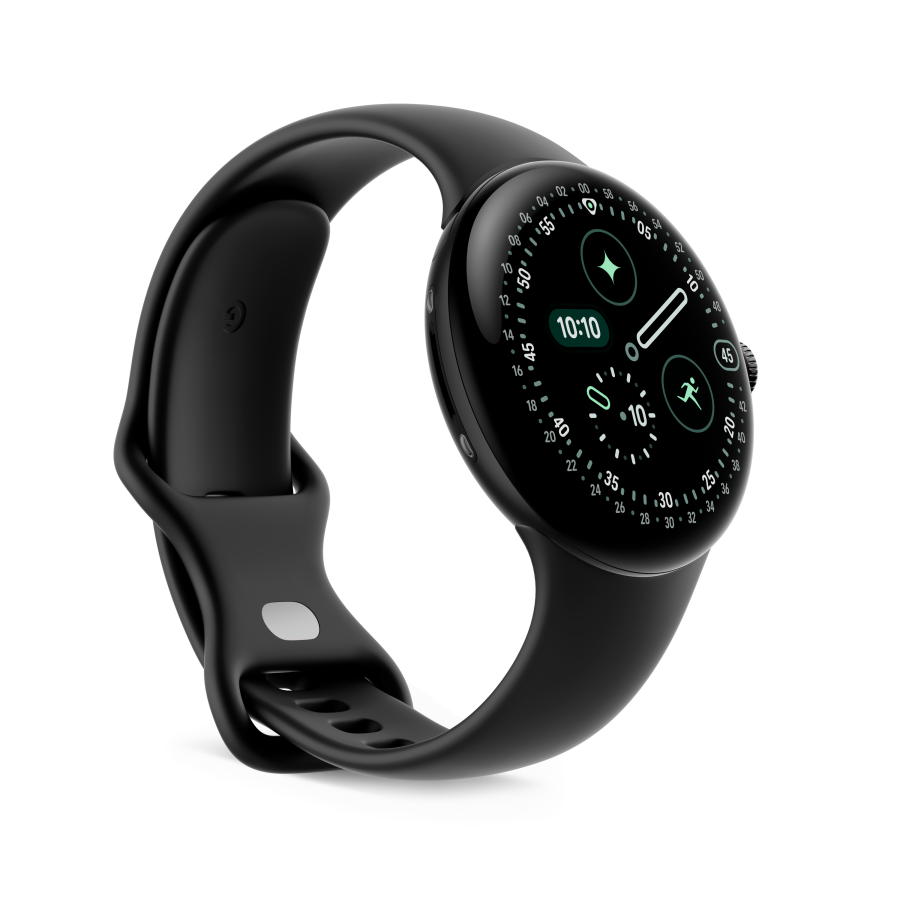
- Pixel Watch 4
– Thinner bezels, longer battery, and on-wrist Gemini access via wrist-raise gesture.
– Emphasizes voice-first AI, positioning it as a more capable assistant platform than Watch OS. - Pixel Buds 2a & Pro 2
– 2a model gains active noise cancellation and new colorways (Hazel, Iris) at an entry-level price.
– Pro 2 introduces Gemini-powered call gestures and a new Moonstone finish. - Fitbit AI Coach Preview
– An AI-driven health coach within Fitbit app—offering workout planning, sleep insights, and real-time plan adjustments—signals Google’s strategy to fuse AI with wellness.
4. Generative AI Everywhere: The Gemini Era
Google reinforced its “AI-first” mantra by embedding Gemini capabilities across devices:
- Camera Coach gives shot suggestions in real time.
- Conversational Photo Editing lets users tweak brightness, remove objects, or swap backgrounds by text prompts.
- Gemini Live’s live-camera Q&A across non-Google apps demonstrates Google’s multimodal advantage.
These integrations highlight Google’s competitive edge in on-device AI acceleration, contrasting with Apple’s cloud-dependent “Apple Intelligence” rollout.
5. Strategic Implications & Competitive Outlook
- Preemptive Timing
– Hosting before Apple’s September event seeks to seize headlines and lock in purchasing intent. - Midrange Upshift
– By equipping lower-tier models with premium camera and AI features, Google raises the bar for mid-tier Android devices. - Ecosystem Coherence
– PixelSnap accessories, Fitbit AI coach, and cross-device Gemini integrations underscore Google’s push toward a unified hardware-software ecosystem, challenging Apple’s tightly integrated approach.
Conclusion
The Made by Google 2025 event illustrates Google’s maturing hardware roadmap and AI leadership. By democratizing advanced camera systems, scaling generative AI across devices, and delivering competitive pricing, Google is not only intensifying pressure on Apple and Samsung but also redefining consumer expectations for midrange and foldable smartphones. As the market heads into the fall launch season, Google’s strategic blend of AI innovation and accessible hardware could shift the smartphone competitive landscape in its favor.
About the Author
Anish is the founder of TechBoltX, sharing mobile gaming rewards, guides, and daily updates.