 ByAnish

How Artificial Intelligence is Revolutionizing Industries
Just as a seed blossoms into a mighty tree, artificial intelligence is shaping the landscape of tomorrow.
With great potential, this burgeoning technology is set to redefine industries, revolutionizing everyday experiences while unlocking unprecedented opportunities for innovation and growth.
Understanding Artificial Intelligence
Artificial intelligence (AI) is the catalyst for change.
At its core, AI is the simulation of human intelligence processes by machines, particularly computer systems. This entails the ability of machines to mimic cognitive functions that are typically associated with the human mind, such as learning and problem-solving. Essentially, AI systems learn from data, recognize patterns, and make decisions.
These systems exemplify cognitive capabilities akin to human thought.
From simple task automation to high-level analytics, AI possesses an unparalleled capability to transform how we interact with the world – not merely by automating tasks but by enhancing decision-making processes with precision and speed.
The advent of cutting-edge AI technologies is stimulating profound advancements across diverse fields, reinventing the paradigms of healthcare, financial services, and smart infrastructure, thus paving the way for a new era where innovation thrives unhindered, and human potential is fully unleashed.
Historical Development of AI
The intricate journey of artificial intelligence traces its origins to the mid-20th century when visionary scientists began to explore the idea of creating conscious machines.
In 1956, the Dartmouth Conference marked a pivotal moment, coining the term “artificial intelligence” and setting foundational goals for the field. From these initial steps, the development of AI witnessed waves of optimism and skepticism, as researchers faced the challenges of limited computational power and complex algorithms. Despite the hurdles, pioneers like Alan Turing and Marvin Minsky laid the groundwork, enabling future breakthroughs.
The 1980s ushered in a resurgence of AI enthusiasm, bolstered by new algorithms and expert systems. These systems, designed to mimic human expertise, found applications in various industries, proving that AI could solve specific, high-value problems with notable success.
Today, the historical evolution of artificial intelligence stands as a testament to enduring human ingenuity and perseverance. Each milestone, from the first neural networks to the modern breakthroughs in deep learning, underscores our relentless pursuit of knowledge. This trajectory fuels an ever-increasing confidence in AI’s potential, inspiring current and future innovators to craft solutions that promise to reshape and enhance our world beyond our wildest dreams.
Current Applications of AI
Artificial intelligence has seamlessly integrated into diverse sectors, revolutionizing industries and daily life. Through automation and data analysis, AI enhances predictive maintenance, healthcare diagnostics, and personalized advertising. These applications exemplify AI’s transformative power, providing unprecedented efficiency and intelligence across myriad domains, paving the way towards a smarter and more connected future.
AI in Healthcare
AI in healthcare is not just a technological advancement—it’s a revolutionary force redefining the future of medicine.
AI can enhance diagnostic accuracy by up to 90%, significantly improving patient outcomes worldwide.
By analyzing vast datasets, AI systems assist clinicians in diagnosing diseases, personalized treatment planning, and predictive healthcare. These cutting-edge solutions are fostering more informed and swift decision-making processes.
Investing in AI-driven technologies cultivates a transformative healthcare landscape—bridging the gap between research and clinical practice and heralding an era of predictive and preventive medicine.
AI in Transportation
AI is revolutionizing transportation, making travel safer, more efficient, and increasingly sustainable across all modes of transit.
- Autonomous Vehicles: Enabling self-driving cars and trucks to enhance road safety and reduce traffic congestion.
- Traffic Management: Using AI to predict and manage traffic flow, reducing delays and minimizing emissions.
- Predictive Maintenance: Enhancing vehicle and infrastructure longevity by forecasting maintenance needs before failures occur.
- Personalized Mobility: Tailoring public transit and ride-sharing services to suit individual preferences and commuting habits.
The integration of AI in traffic systems ensures quicker and more reliable commutes.
With AI, transportation systems can adapt and learn, optimizing resources and providing unmatched convenience for all users.
AI at Home
Artificial intelligence is revolutionizing home environments, making them smarter, more efficient, and infinitely more personalized.
- Smart Assistants: Devices like Alexa and Google Home automate tasks and control your home environment seamlessly.
- Energy Management: AI optimizes energy usage, reducing costs and environmental impacts.
- Security Systems: Enhanced security through intelligent monitoring and real-time alerts.
- Personalized Living Spaces: AI adjusts lighting, temperature, and more based on individual preferences.
AI transforms daily routines by learning and adapting to each household’s unique needs.
With AI, homes are not just smarter but also more harmonious and energy-conscious, echoing future-forward living.
The Future of AI in Business
The potential of artificial intelligence in shaping the business landscape is vast and truly transformative. In 2023, companies worldwide have seen AI bring unparalleled efficiency, accuracy, and speed to their operations, redefining traditional workflows and unleashing unimaginable potential. Now, it’s no longer about whether businesses will implement AI but how effectively they’ll leverage its power to navigate and conquer evolving market dynamics.
AI fosters more than just operational excellence; it propels innovation by harnessing vast data pools, uncovering patterns, and delivering actionable insights with razor-sharp precision. It allows leaders to make data-driven decisions swiftly, ensuring strategic pivots are not just reactive but forward-thinking. Indeed, AI’s intelligent prediction and automation enable businesses to focus on imaginative solutions and dynamic growth opportunities.
Imagine a world where AI seamlessly integrates with human ingenuity, driving unprecedented personalization in customer service, revolutionizing marketing strategies, and fine-tuning supply chains beyond current capabilities. As AI evolves, the synergy between human and machine intelligence will elevate businesses to new heights, fostering a culture where the pursuit of excellence becomes an everyday reality.
The business realm stands at the threshold of a new era, where AI is no longer a futuristic concept but the cornerstone of imminent progress. As companies continue to embrace innovation and embolden their AI strategies, the potential for positive global impact is limitless, heralding a future ripe with opportunity and prosperity.
Ethical Considerations in AI Development
Ethics in AI is a paramount concern.
Artificial intelligence poses complex ethical questions. The rapid acceleration of AI and its pervasive integration into contemporary systems demand that ethical frameworks are as innovative and robust as the technologies they seek to guide. Therefore, engaging in open discussions and proactive planning is crucial to address potential ethical challenges effectively.
Stakeholders must prioritize transparency and accountability.
Ensuring AI systems are designed to be fair and unbiased – without the unintended consequences of replicating societal biases – is paramount. As we charge forward, industry leaders must champion ethical guidelines.
The ongoing conversation about ethical artificial intelligence continues to drive essential frameworks, offering guidance for navigating the intricacies of innovation. By embracing these guidelines, stakeholders demonstrate an unwavering commitment to harnessing transformative AI potential while unconditionally safeguarding human values and rights.
AI and Data Privacy
Artificial intelligence is revolutionizing how we handle data, enhancing efficiency and creating new opportunities, but also bringing challenges to privacy and security that must be carefully managed.
Balancing innovation with privacy requires robust safeguarding measures.
AI systems, by their nature, process vast amounts of data to generate insights. This ability can lead to a delicate balance between maximizing AI’s transformative potential and protecting individual privacy. Proactive policies, continuous monitoring, and transparent communication are pivotal in ensuring responsible AI deployment.
The future of AI and data privacy depends on creating an ecosystem where innovation and privacy coexist harmoniously. By fostering a culture of trust and resilience, we can ensure that AI advances not only empower businesses and individuals but also honor their privacy rights. Visionary thinkers must now envision and implement solutions that earn systems’ “privacy by design” moniker, guaranteeing they remain a force for good in both economic growth and data stewardship.
Robotics and AI Synergy
Robotics and AI synergy represents a ground-breaking fusion that is propelling innovation worldwide, redefining industries.
This collaboration, often termed as the convergence of machine intelligence (AI) with autonomous systems, heralds an era where robots are empowered to perform complex tasks and make real-time decisions, transforming manufacturing and healthcare alike.
The terms “robotics” and “AI” are becoming inseparably interwoven in the ‘intelligent automation’.
Advanced Automation
Advanced automation signifies the technological crescendo that heightens the capacity of artificial intelligence in executing dynamic tasks.
In 2023, artificial intelligence breakthroughs have accelerated this evolution, revealing new possibilities for industries seeking efficiency. The pace at which these innovations are developing promises unprecedented advancements.
Today, it’s not just about machines doing what humanity’s imagination once considered unreachable. Advanced automation is now enabling the workforce of the future to focus on creative and strategic endeavors that drive meaningful change.
Driving the engines of tomorrow’s industry are smarter decision-making processes, ensuring that even the most intricate tasks aren’t the domain of the few. By integrating AI solutions, businesses harness transformative potential and capitalize on new economic frontiers.
Advanced automation beckons us to think bigger, inspiring an empowered workforce ready to embrace new possibilities.
AI in Robotics
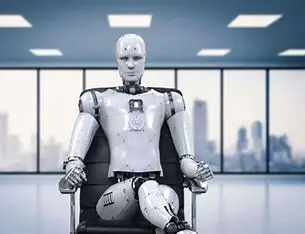
AI and robotics are converging powerfully.
Through the application of artificial intelligence, robotics is transforming industries. This convergence of AI with robotics enhances precision, accuracy, and efficiency in sectors ranging from manufacturing to healthcare, paving the way for smarter, autonomous machines. Robotics endowed with AI can continuously adapt, learning from their experiences and optimizing their performance in real-time.
This synergy leads to groundbreaking innovations.
The evolution of AI in robotics is not just reshaping how tasks are performed – it is redefining what is possible. As AI-infused robots become more autonomous and versatile, industries are seeing significant advancements in productivity, safety, and problem-solving capabilities, propelling us toward a new industrial age.
This harmonious integration of AI and robotics is a testament to human ingenuity, showcasing our capability to craft machines that not only perform tasks but also fundamentally revolutionize productivity across various domains. As we nurture this partnership, the horizon promises to continue expanding with innovation, creating a future where AI-driven robotics paves new pathways to progress.
AI’s Impact on Employment
Despite some concerns about job displacement, artificial intelligence holds the promise of creating new opportunities and enriching existing roles.
In this era, as AI technologies continue to transform industries, the workforce is adapting by acquiring new skills, harnessing AI’s capabilities to leverage its potential, and embracing the chance to evolve into more innovative roles. Many jobs that once seemed susceptible to automation are now evolving, necessitating a symbiotic partnership with AI technologies. Workers are gaining unprecedented access to advanced tools that bolster creativity, efficiency, and strategic decision-making.
Admittedly, there will be transitions as AI becomes a ubiquitous component of the modern workplace. To navigate these changes successfully, individuals and organizations must invest in lifelong learning and upskilling initiatives to align with new technological paradigms and embrace opportunities for collaboration.
The future, no doubt, demands proactive approaches to education and skill development, empowering workers to harness AI’s transformative potential and to thrive alongside it. Such harmonious coexistence will lead to a labor market that is not only resilient but also innovative, adapting seamlessly to groundbreaking technological advances that drive economic growth and human prosperity.
The Role of AI in Education
Artificial intelligence enriches educational opportunities today.
AI personalizes learning paths for each student. This dynamic approach adapts to both the pace and style of individual learners, allowing for a more tailored educational experience. Consequently, students can achieve a deeper understanding of subject matter at their own rhythm, benefiting from personalized interventions and support.
Teachers’ roles are evolving with AI support.
AI tools handle administrative tasks – such as grading and tracking student progress – enabling educators to prioritize meaningful interactions and in-depth mentoring. This transformation enhances the educational environment, fostering creative teaching methods driven by real-time insights.
By 2023 and beyond, AI will continue bridging educational divides by bringing innovative learning experiences to underserved areas, transforming accessibility and quality. This potential inspires a future where education, fueled by AI, reflects the diverse and dynamic needs of our evolving world, driving societal progress and unlocking endless possibilities.
The Future of Artificial Intelligence Technologies
Artificial intelligence technologies have the potential to reshape our future, unlocking unprecedented possibilities and transforming industries across the globe.
The development of AI technologies into a sophisticated network capable of solving complex challenges offers immense promise, paving the way for scientific breakthroughs that were once beyond reach. These advancements herald a world enriched by adaptive systems designed to enhance human capabilities, ultimately streamlining processes and leading to sustainable growth.
Moreover, AI holds the potential to revolutionize sectors by automating routine tasks. In healthcare, for example, advancements could bring personalized medicine to the forefront, transforming patient care and creating efficiencies that maximize the effectiveness of healthcare delivery.
The future, while rich in technological promise, also requires responsible development and ethical consideration to ensure AI technologies achieve their full potential. By embracing such guidelines, society can steer these innovations toward increasing human welfare, fostering collaboration between humans and machines for an empowered, integrated future that propels humanity forward.