 ByAnish

Thousands of Grok Chats Are Now Searchable on Google
Grok Conversations Leak Into Google Search
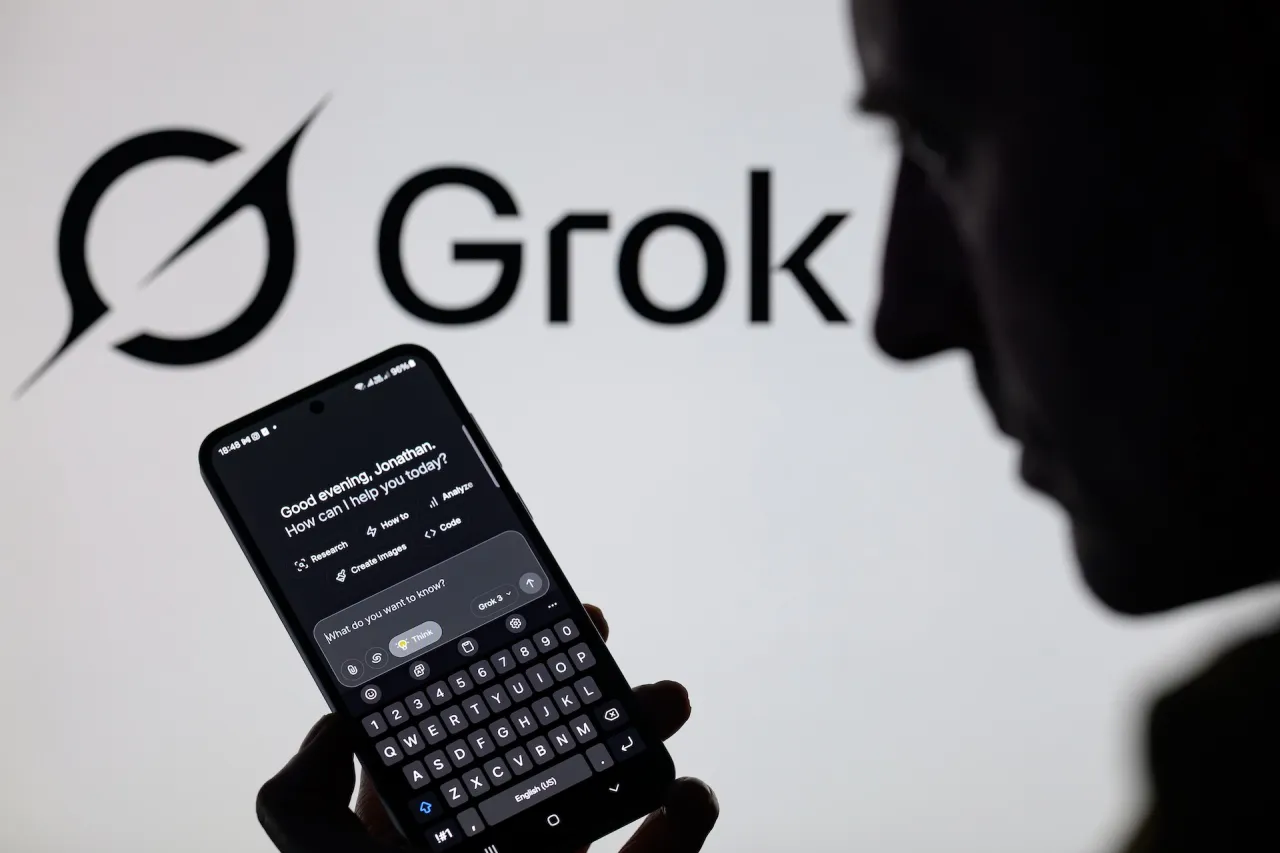
Elon Musk’s xAI chatbot Grok is making headlines again — but this time, not for its AI capabilities. According to a report by Forbes, hundreds of thousands of Grok conversations are now publicly searchable on Google and other major search engines, raising fresh concerns about privacy and misuse of generative AI.
The issue stems from Grok’s built-in “share” feature, which lets users generate a public link to share conversations via social media, email, or messaging apps. Unfortunately, these unique URLs are being indexed by search engines like Google, Bing, and DuckDuckGo, making them easily discoverable by anyone.
What the Leaked Chats Reveal
Much like similar incidents with Meta AI and OpenAI’s ChatGPT, the exposed Grok chats reveal a troubling side of user behavior:
- Requests for hacking guides and crypto wallet exploits
- Explicit conversations with AI personas
- Step-by-step drug recipes, including fentanyl and meth
- Suicide methods and sensitive personal questions
- Even violent prompts — including a detailed plan for an assassination attempt on Elon Musk
While xAI’s acceptable use policy bans harmful queries related to bioweapons, violence, and self-harm, the leaked content shows users frequently attempting to bypass safeguards.
Déjà Vu: OpenAI and Meta Faced Similar Problems
This incident follows closely on the heels of OpenAI’s ChatGPT link leak, where some shared conversations briefly became indexed by Google. OpenAI later called it a “short-lived experiment” and emphasized user privacy.
Ironically, Grok itself mocked ChatGPT at the time. In a post that Musk quote-tweeted with “Grok ftw,” the chatbot boasted that it had no such sharing feature and that it prioritized privacy. Today’s revelations prove otherwise.
Why This Matters
The indexing of Grok chats highlights a growing challenge in AI adoption:
- User privacy risks – Conversations that were meant to be semi-private can resurface publicly.
- Sensitive data exposure – Users often treat AI like a personal confidant, sharing intimate or risky details.
- Reputation risks for AI companies – Trust is critical for adoption, and repeated leaks could deter mainstream users.
With regulators already scrutinizing AI companies, such incidents may accelerate calls for stricter data handling and transparency rules.
What’s Next for xAI and Grok?
As of now, xAI has not issued an official statement regarding when Grok conversations began to be indexed or what steps the company plans to take. Given the scale of the exposure — “hundreds of thousands” of chats — the company will likely need to act quickly to reassure both users and regulators.
If Grok wants to compete with ChatGPT, Claude, and Gemini, restoring user trust in privacy will be as important as improving its humor-driven responses.
Final Take
This incident underscores a critical reality: AI chats are not truly private unless companies design them that way. Whether it’s Grok, ChatGPT, or Meta’s AI, once conversations can be linked and indexed, users risk their most sensitive prompts becoming public domain.
Until xAI addresses this issue, users may need to think twice before asking Grok — or any AI — questions they wouldn’t want searchable on Google.