ByAnish

5 Future-Proof Tech Skills You’ll Still Need in 2030
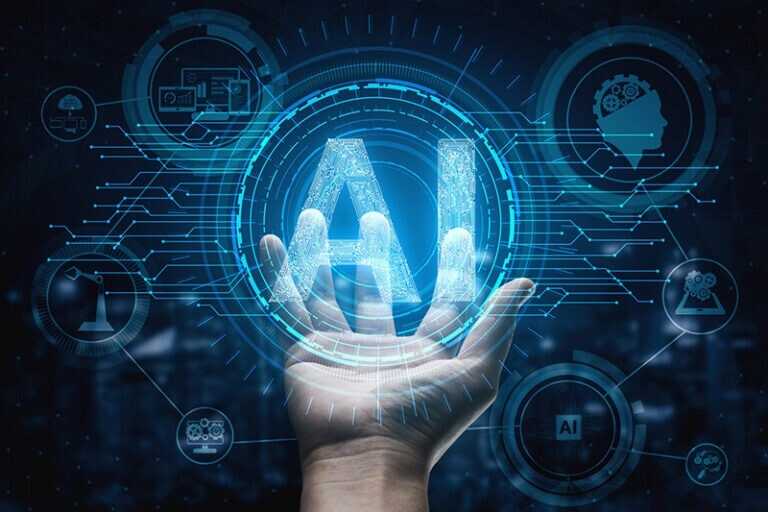
Technology is evolving at a pace we’ve never seen before. Artificial intelligence can now write code, robots are joining the workforce, and automation is transforming entire industries. With so much disruption, one big question remains: which skills will still matter in 2030?
The key isn’t to stop learning or let AI do everything for us—it’s to focus on core capabilities that stay relevant, no matter how tools change. Based on recent research and future work trends, here are the 5 future-proof tech skills you’ll need by 2030.
1. Systems Thinking
Technology is getting more interconnected. From autonomous cars to massive cloud infrastructures, every product is now a network of interdependent parts.
- Why it matters: A single weak link can bring down an entire system.
- Example: Self-driving cars depend on sensors, edge computing, AI models, and safety regulations all working seamlessly together.
Professionals who can see the “big picture,” connect the dots, and prevent breakdowns will remain in demand.
2. Cybersecurity & Privacy
By 2030, billions more IoT devices and wearables will be online, making cyberattacks more advanced. AI-driven hacks and the rise of quantum computing will push data security into uncharted territory.
- Why it matters: Every connected device is a potential target.
- Future demand: Cybersecurity experts who can protect data, manage risks, and ensure user privacy will be critical across all industries.
3. Human-AI Collaboration
AI isn’t replacing humans—it’s becoming our co-worker. The real skill will be learning how to collaborate with AI systems to make decisions, improve productivity, and solve complex problems.
- Why it matters: Knowing how to “prompt” AI, check outputs, and integrate insights will separate top performers from the rest.
4. Data Literacy
Data is the new oil—but only if you know how to use it. By 2030, professionals across industries will need to understand, analyze, and communicate insights from data.
- Why it matters: From business strategy to healthcare, decisions will increasingly be data-driven.
- Example: Even marketing professionals will need to interpret analytics, not just create campaigns.
5. Adaptability & Continuous Learning
The only constant in tech is change. New tools, programming languages, and platforms will emerge, but those who adapt quickly will always stay ahead.
- Why it matters: Careers in 2030 won’t be about mastering one tool—they’ll be about learning how to learn.
- Pro tip: Develop a growth mindset and make continuous upskilling a habit.
Final Thoughts
The future of work isn’t about competing with AI—it’s about developing human strengths that AI can’t replace. By investing in systems thinking, cybersecurity, human-AI collaboration, data literacy, and adaptability, you’ll not only future-proof your career but also lead the way in shaping the next digital era.