 ByAnish

Deepfake Scams in 2025: How AI Is Powering New Cybercrime
Deepfake Scams in 2025: How AI Is Powering New Cybercrime
In 2025, cybercrime has taken a disturbing turn — and it’s powered by AI.
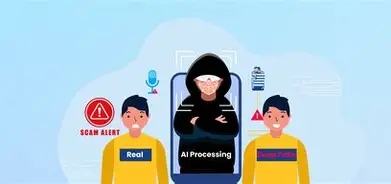
From fake voice calls to cloned video meetings, deepfake scams have surged globally. Criminals are using AI tools to mimic voices, faces, and behaviors with uncanny precision. What looks and sounds like your boss, your bank, or even your family may actually be a scam.
According to a 2025 FBI report, AI-driven fraud has caused over $4.2 billion in global losses so far this year — triple the total in 2023. It’s no longer about guessing your password; it’s about impersonating someone you trust.
???? How Deepfake Scams Work
Deepfake scams typically begin with stolen data or publicly available information like a LinkedIn profile or a YouTube video. AI voice cloning tools then generate a convincing audio sample. In more advanced cases, criminals create video deepfakes that simulate live conversations on Zoom, Teams, or Google Meet.
Common scams include:
- “Boss” scams asking for urgent wire transfers.
- Fake customer service calls requesting login credentials.
- Impersonated relatives claiming they’re in trouble or need help.
The problem is growing because the tools are cheap, fast, and easy to use — no technical skill required.
???? How to Protect Yourself
- Verify requests through a second channel. If your manager texts you about a fund transfer, call them directly to confirm.
- Enable multi-factor authentication (MFA). Even if your voice is cloned, MFA can block unauthorized access.
- Watch for AI glitches. Look for delays, poor eye contact, or robotic tones in voice or video calls.
- Limit public exposure. Avoid posting voice or video content publicly unless necessary.
- Educate your team and family. Social engineering works best when people are unprepared.
????️ How Big Tech Is Responding
Microsoft, Apple, and Google have all launched AI-authenticity tools in 2025. These include watermarking deepfake content, auto-verifying video call origins, and flagging suspicious AI audio. Meta has added warning labels to manipulated content across Facebook and Instagram.
But technology alone isn’t enough.
“We need users to be skeptical by default,” says Rachel Medina, cybersecurity expert at TrendGuard AI. “In the AI era, trust must be earned—not assumed.”
???? Final Thoughts
Deepfake scams represent the next frontier in cybercrime, blending psychology and technology to trick even the smartest users. The best protection is awareness, verification, and layered digital security.
Always pause, verify, and protect. In 2025, that mindset can save your identity—and your money.