 ByAnish

Apple Unveils Liquid Glass & AI Features at WWDC 2025
Apple Goes Translucent with Liquid Glass and Dips a Toe in AI
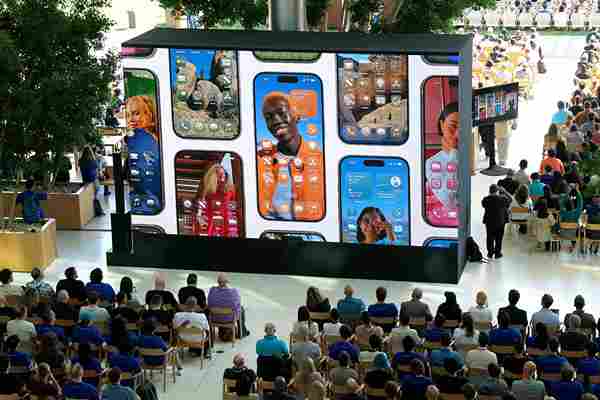
At its 2025 Worldwide Developers Conference (WWDC), Apple introduced its biggest software redesign in over a decade—and let’s just say, it’s clear where they’re headed.
Meet Liquid Glass
The star of the show was Liquid Glass, Apple’s most dramatic visual refresh since iOS 7. Inspired by the look and feel of visionOS, the new interface is sleek, translucent, and literally dynamic—it responds to movement and shifts seamlessly between light and dark environments.
Buttons, switches, and panels all seem to float, creating an interface that feels interactive and deeply immersive. Apple says it’s all about giving users a sense of depth and motion while staying minimalist.
Oh, and don’t bother trying to keep up with version numbers anymore. Apple has ditched sequential naming. The 2025 update to iOS 18? That’s now iOS 26. Same with macOS 15—also macOS 26. Consider it a full numerical glow-up.
Apple Intelligence: Some AI, But No Siri Glow-Up Yet
Despite expectations, Apple played it safe in the AI arena. Craig Federighi, Apple’s software chief, quickly shut down hopes of a smarter Siri—saying the update still isn’t ready. That little tidbit came six minutes in, and markets responded fast, with Apple shares dipping 2.5% before rebounding slightly.
But not all was lost. Here’s what did make it to the AI board:
- Live Translation: Real-time translations in phone calls and texts—great for travel, awkward for sneaky gossip.
- Foundational Models for Devs: Third-party developers can now run AI locally on Apple devices using a new framework. No internet? No problem. No cloud costs either.
The Big Picture
While Liquid Glass turned heads, Apple’s AI announcements felt like too little, too late in a world racing toward smarter everything. Investors clearly expected more—and weren’t thrilled by the lukewarm AI news.
But from a design standpoint, Apple’s clearly doubling down on aesthetics, fluidity, and integration across all platforms. Whether the rest of the tech world follows this translucent trend—or leaves Apple behind in the AI race—remains to be seen.